

Keeping Our Members Informed

British Columbia Government
Retired Employees' Association
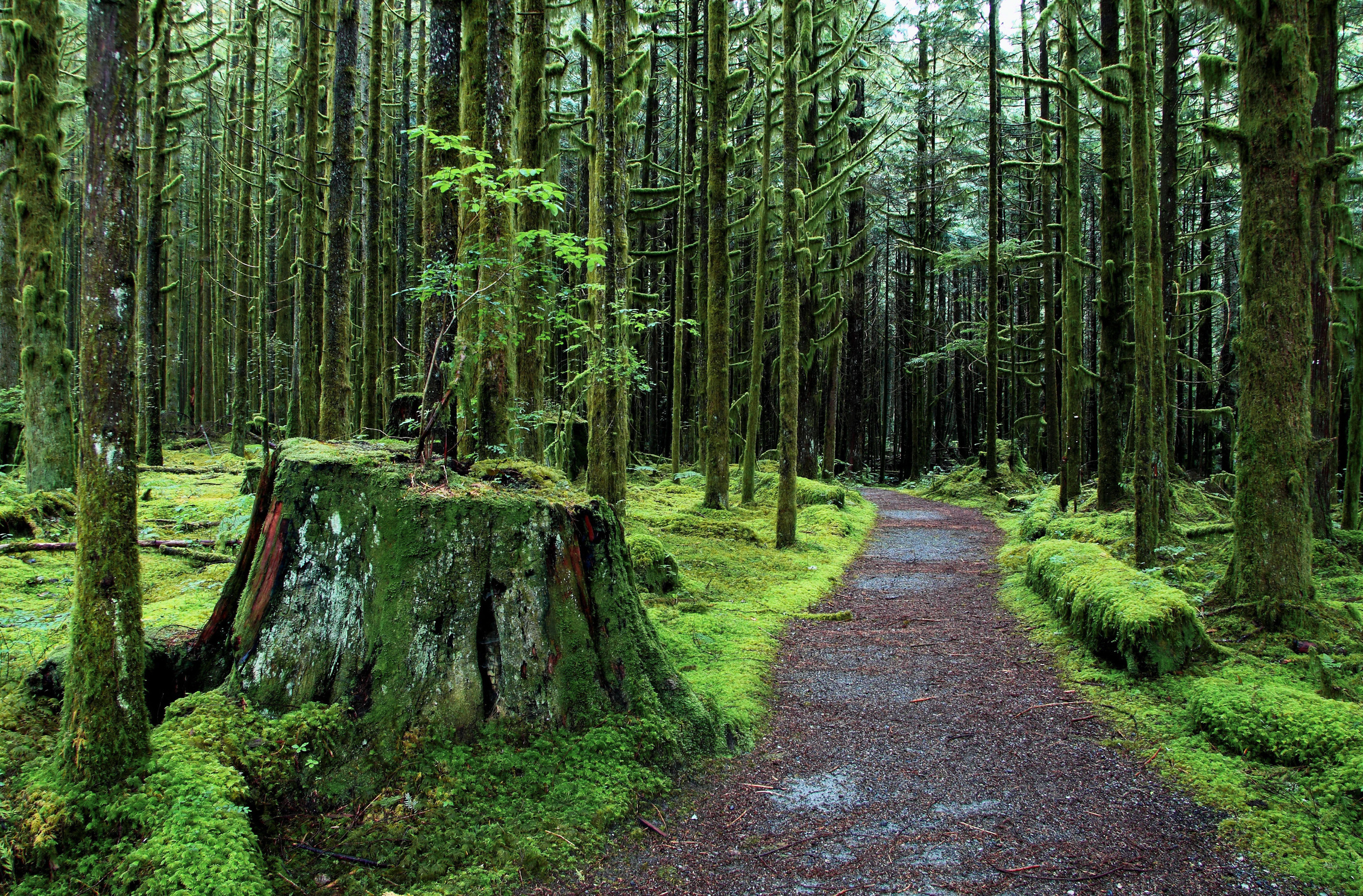
Rain Forest trail in Golden Ears Park BC
ID 418125200 © Oleksandr Lyubbar Dreamstime.com

The PEN JULY 2026 Edition
The PEN is the official newsletter published for British Columbia Government Retired Employees' Association (BCGREA) members, a member-funded, non-partisan and not-for-profit organization established in 1947.
Designed by Folks Digital
Printed by Island Graphics
Copywriting by: Williams Copywriting
https://williamscopywriting.ca
BCGREA - PROVINCIAL OFFICE
Contact: Jodine Ducs
PO Box 26067, West Kelowna RPO, West Kelowna, BC V4T 2G3
Tel 250-751-8814
E-mail: info@bcgrea.ca
Wilf Brodrick, President Communications Committee
Editorial Team: Merrilee Ashworth, 1st Vice-President; Tammy Welch - Editor; Katherine Dinning; Tammy Welch, 2nd Vice-President; Jodine Ducs; Zoe Duff; Ken Pendergast, Outgoing Past President; Linda Foubister; Cindy Fristoe; Patrick Harkness; Larry Martin; Ron Morley; Kathy Northrup; Brian Green, Immediate Past President; Al Barclay, Membership Secretary; Johanna Morrow, Treasurer and PSPP Trustee; Kathy Torhjelm, Secretary.
The PEN welcomes articles and photography submissions from members. Printing requires high-resolution images at least 300 pixels per inch in printed format (3000 pixels wide by 3600 pixels high). Maximum 500 words per article submitted. For submission or advertising guidelines, contact us at: thepen@bcgrea.ca
The views expressed in The PEN are those of the authors and do not necessarily reflect the official position of the BCGREA. Content is provided for general information only and is not medical, legal, or professional advice.
(Right to Left)
Wilf Brodrick, President
Merrilee Ashworth, 1st Vice-President
Tammy Welch, 2nd Vice-President
Ken Pendergast, Outgoing Past President
Not Shown:
Brian Green, Immediate Past President
Al Barclay, Membership Secretary
Johanna Morrow, Treasurer and PSPP Trustee
Kathy Torhjelm, Secretary
TABLE OF CONTENTS
Page 4-5 President & 1st Vice President Messages
Page 6-11 Business
Page 12-17 The Jay's Nest
Page 18-22 Athletics
Page 23-25 Pets & Peeps
Page 26-29 Health & Lifestyles
Page 30-31 Literary Legacies
Page 32-35 Creative Corner
Page 36-39 The Tech Zone
Page 40-42 Travel
Page 43 Inquiring Minds
PRESIDENT’S MESSAGE
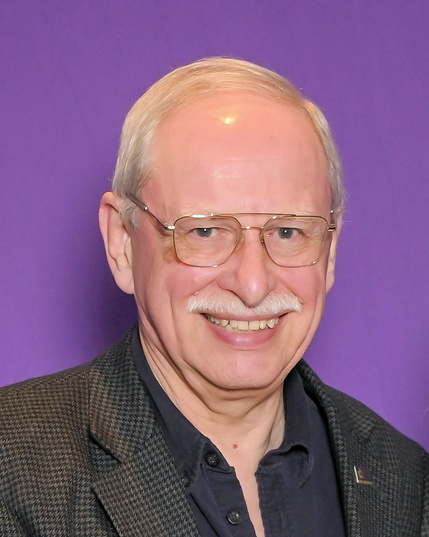
WILF BRODRICK P E N
I am honoured to be elected President of the BC Government Retired Employees’ Association. I am committed to representing our members and working diligently to maintain and enhance your pensions and benefits.
I would like to thank Brian Green for his dedicated service as President. I am pleased to say that Brian has agreed to remain active as Past President for at least the coming year, and hope he will continue his involvement beyond that. His guidance, advice and support over the past year has been invaluable and much appreciated.
I also would like to welcome Merrilee Ashworth as a Table Officer following her election as 1st Vice-President. Merrilee will assume leadership of the Constitution and Bylaws Committee, and consequently, the Resolutions Committee. I look forward to working with her and the Committee as they review potential improvements to BCGREA Bylaws, Policies and Procedures. In addition, she will also take primary responsibility for managing relationships with our Affinity Partners.
Following her re-election as 2nd Vice-President, Tammy Welch will continue to focus her efforts on strengthening BCGREA communications. Her efforts will help ensure our communications remain timely, informative, engaging and relevant to members.
Our other Table Officer positions continue to be held by Kathy Torhjelm (Secretary), Johanna Morrow (Treasurer and Pension Board representative), and Al Barclay (Membership). The volunteer Table Officers, together with our dedicated Administrative Staff, Jodine Ducs will continue working on behalf of our membership.
Looking ahead, I anticipate continuing our efforts to ensure the maximum benefit to our members from our pension plan, including possible improvements to the extended health plan and other benefits. While legislative constraints can limit changes in some areas, I remain optimistic that creative options may be found for improved member benefits.
The BCGREA has long partnered with the Council of Senior Citizens’ Organizations of BC (COSCO BC) to advocate for legislative, policy, and procedural improvements affecting seniors throughout the province. I am confident our representatives will continue to be strong voices for BC seniors.
Over the past year, BCGREA has also worked with the BC Retired Teachers’ Association (BCRTA), the Municipal Pension Retirees’ Association (MPRA), and College Pension Plan Retirees (CPPR) to establish the Public Sector Retiree Group (PSRG). The Group’s goal is to collaboratively seek ways to improve benefits for all our members. While each Association’s benefits are unique and funded differently, we believe our combined strength, knowledge and collective influence can help achieve positive outcomes for all public sector retirees.
I look forward to working together and representing our members’ interests as we move forward.

1ST VICE-PRESIDENT MESSAGE
MERRILEE ASHWORTH P E N
With this terrific summer edition of the PEN, it is both an honour and privilege to introduce myself to members as the new 1st Vice President of the BCGREA.
Like many of you, my career in public service and community leadership has been grounded in collaboration, service, and building strong communities. I am sincerely grateful for the confidence placed in me by the membership and Provincial Executive, and I look forward to contributing to the continued success of our Association.
In addition to my role as 1st Vice President, I have also taken on the roles of Chair of the Constitution and Bylaws Committee and Chair of Affinity Partner Program. As Chair of the Constitution and Bylaws Committee, one of our key priorities will be to continue reviewing and updating our bylaws, policies, and procedures to ensure they remain aligned with the Association’s current operational structure and evolving.
I also would like to acknowledge and sincerely appreciate the excellent work of the Affinity Partner Program Committee over the years. Committee members have worked diligently with our affinity partners to develop valuable programs, services, and member discounts that enhance the value of BCGREA membership for retirees across the province.
One of the things that has impressed me most about the BCGREA is the dedication of our volunteers, branch leaders, and Provincial Executive. Their efforts help ensure that the Association remains a strong and respected voice for retired public sector employees throughout British Columbia.
As we enjoy the summer season, I hope members have an opportunity to enjoy time with family and friends, travel, outdoor activities, and the many benefits that retirement can bring.
Thank you for the warm welcome I have already received. I look forward to working with members, branch leaders and Provincial Executive in our 2026 / 2027 year ahead.

AGM Summary
Shannon McMaster - Hearing Life spoke on how the sounds we hear affect our life experiences. We listen with our ears; we hear with our brain. She provided tips on enhancing hearing for others and ourselves. State of the art solutions are tailored to your needs and lifestyle. 10% off for self and family members, plus price matching.
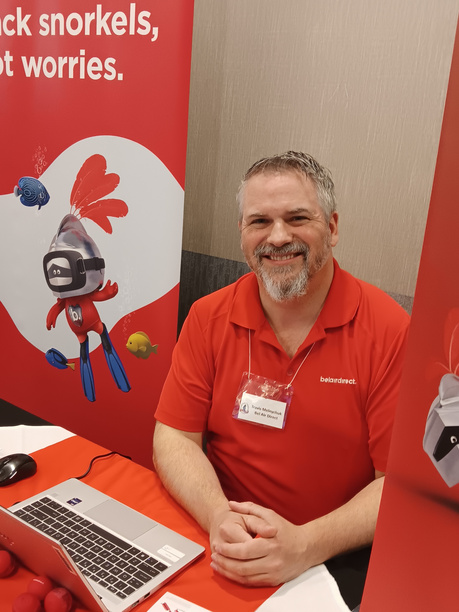
Belairdirect - Travis Melnychuk spoke about their digital tools, two travel plans, extended health and dental coverage. He mentioned their reduced premiums for home insurance and their scholarships for BCGREA members and their relatives.
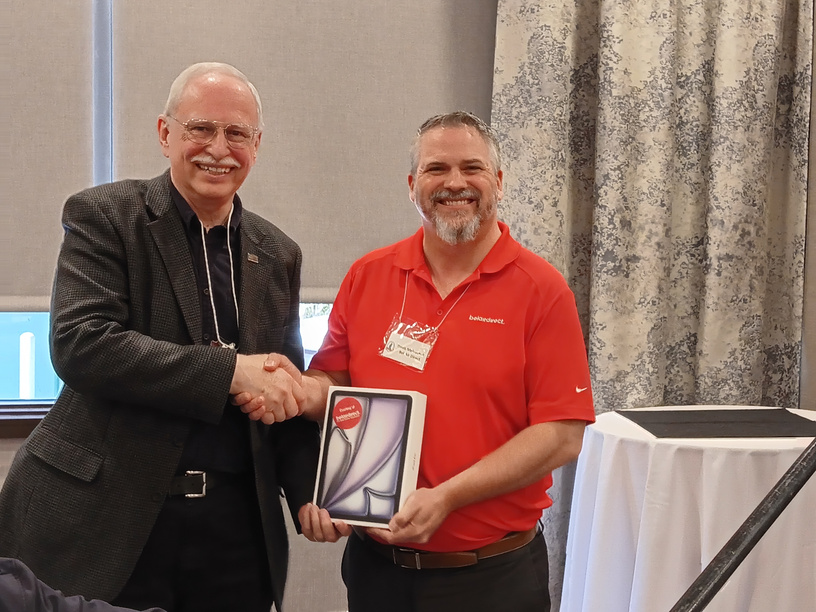
Door Prizes – Belair held two prize draws. The iPad draw for Zoom attendees was won by Maureen Bland of Branch 1200, while the draw for in-person attendees was won by Wilf Brodrick of Branch 2100.
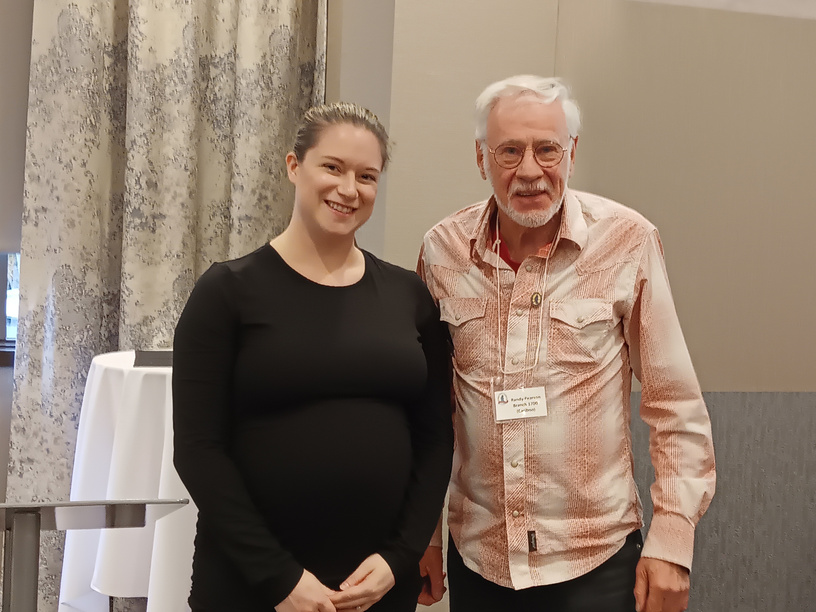
Trip Merchant also held a draw for a $500 travel credit voucher, which was won by Randy Pearson of Cariboo Branch 1700.
AGM Summary
Public Service Pension Plan - Angie Sorrel confirmed our investment account is very healthy (112% funded) and has grown. It is currently a 1.4:1 active employee/retiree ratio. They are leaning to be more conservative as investments must protect the long term growth of the plan. 30% is invested in Canada. They cannot react to short term news and must think about long term growth, always monitoring the news, but no sudden reactions. Responsible investment in “bundles“. Investment is not endorsement. Stewart Morgan spoke on extended health coverage and the dental plan. Retirees need to enrol in Pharmacare to ensure maximum benefits. Greenshield has a $250 annual deductible. The Board regularly reviews all health coverage. Survey on extended health and dental was conducted in April. Because of our dental plan, our members are not eligible for the federal plan. However, a new ruling states that those who opted out before Dec. 11, 2023 may be eligible for the Canadian Dental Plan (CDCP). CDCP is reviewing eligibility.
To see more details here are their links: www.pspp.pensionsbc.ca and www.bci.ca
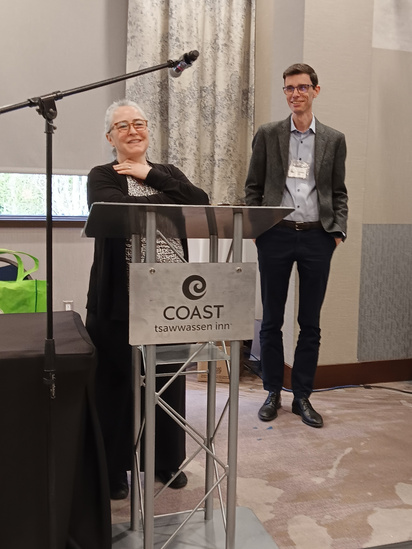
Special Guests: Terri Van Steinburg, 2nd Vice President of the Council of Senior Citizens Organization (COSCO), gave us a brief update on their latest endeavours. https://coscobc.org/
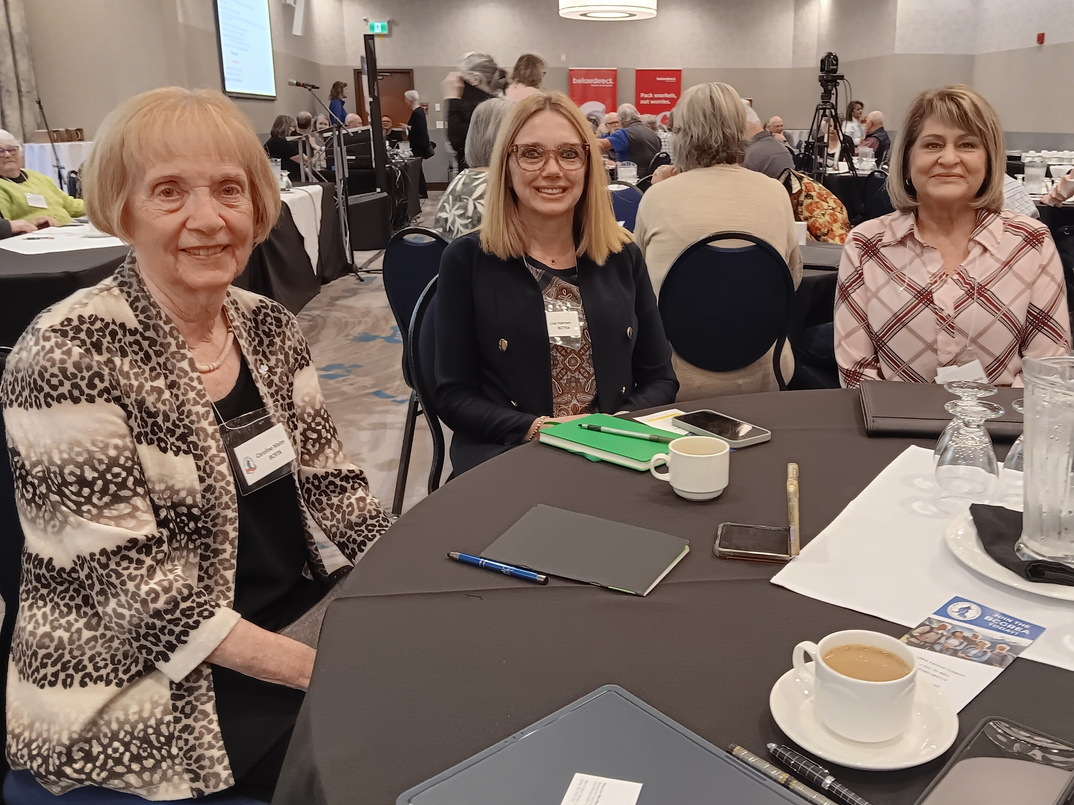
Also joining us were Lisa Hansen and Caroline Malm, President, from the BC Retired Teacher Association (BCRTA). https://bcrta.ca/
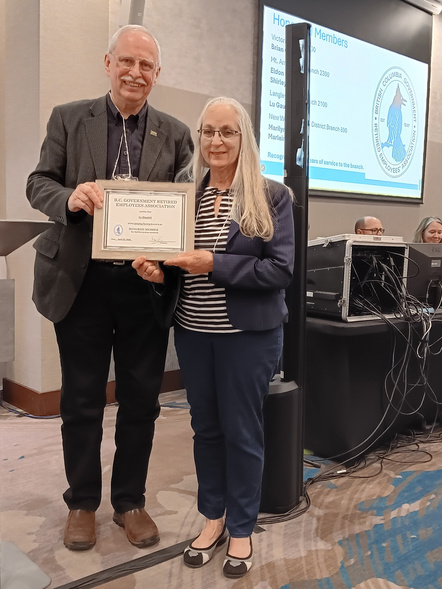
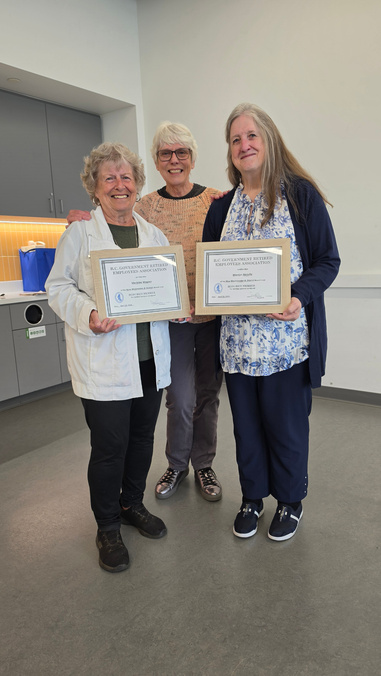
Honoured members. Certificates and pins were presented for Marleine Wagner and Marilyn Melville, Branch 800, Eldon Davis, Branch 2300 and Shirley Davis, Branch 2300 and in person to Lu Gaudet, Branch 2100, and Brian Green, Branch 1200.
AGM Summary
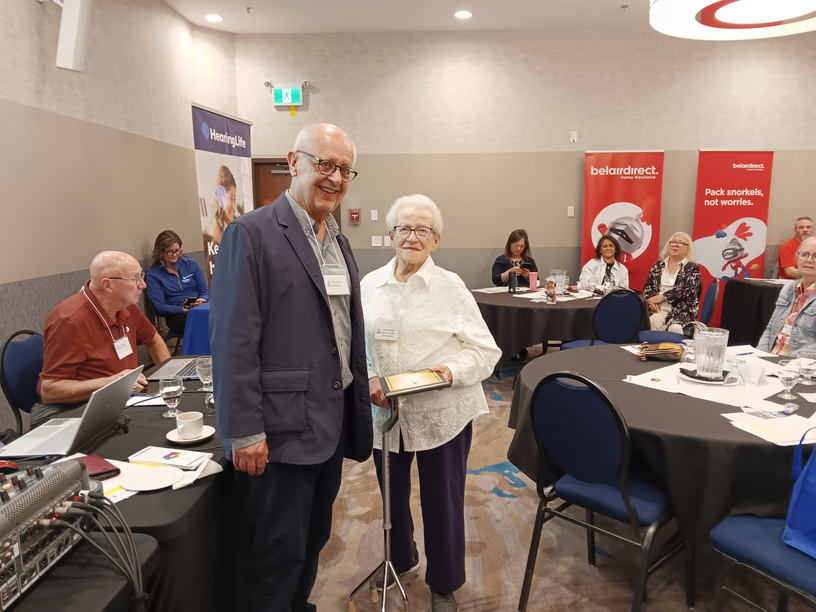
Special Recognition Awards – These awards are presented to members who have demonstrated outstanding dedication and service to their branches and to the Association. Through their volunteer efforts, they have contributed countless hours of their time, expertise, and support. We gratefully acknowledge and thank them for their exceptional commitment and valuable contributions. Brian Green presented plaques for absentees Bill Myers, Branch 900, Edna Park, Branch 500, Al Coccola, Branch 2700, and to Jean Sickman, Branch 1100.
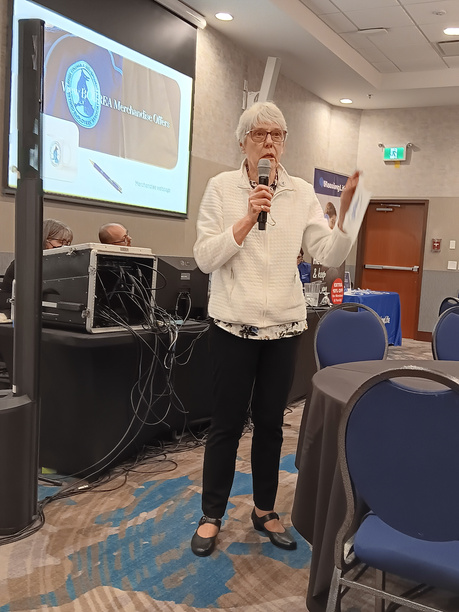
Merchandise offers – Bonnie Billington held a draw for BCGREA merchandise presented to various branches with members in attendance.

AGM Summary
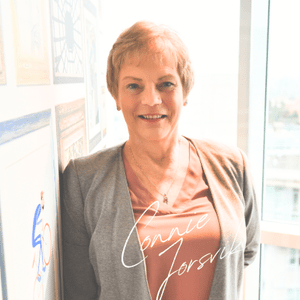
Keynote Speaker – Connie Jorsvik, a former Registered Nurse and patient advocate, is a published author and engaging speaker. She previously served as the National Advance Care Planning Coordinator for Dying with Dignity Canada. Connie is the author of Advance Care Planning: Prepare for Serious Illness and Navigating the BC Healthcare System. She also founded Patient Pathways Healthcare Navigation, Planning & Education.
At the recent AGM, Connie delivered an insightful overview of her three-part webinar series focused on Navigating the BC Healthcare System. Members were introduced to key topics that would be explored in greater depth throughout the series. Two essential messages stood out: the importance of having a solid PLAN, and the need to follow up continuously—follow up, follow up, and then follow up again. She emphasized that you are your own best advocate.
The presentation was well received and considered highly informative by the membership. Stay tuned for more information about this webinar series later in this edition.
Officer Reports - If you would like to read them, please refer to our website or click the following link: https://bcgrea.ca/bcgrea-agm-2026-reports-and-resolutions/
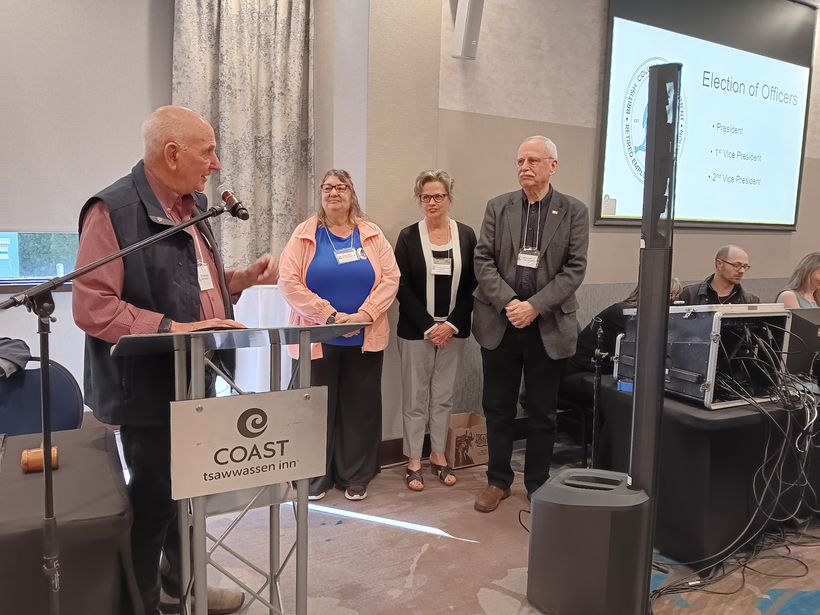
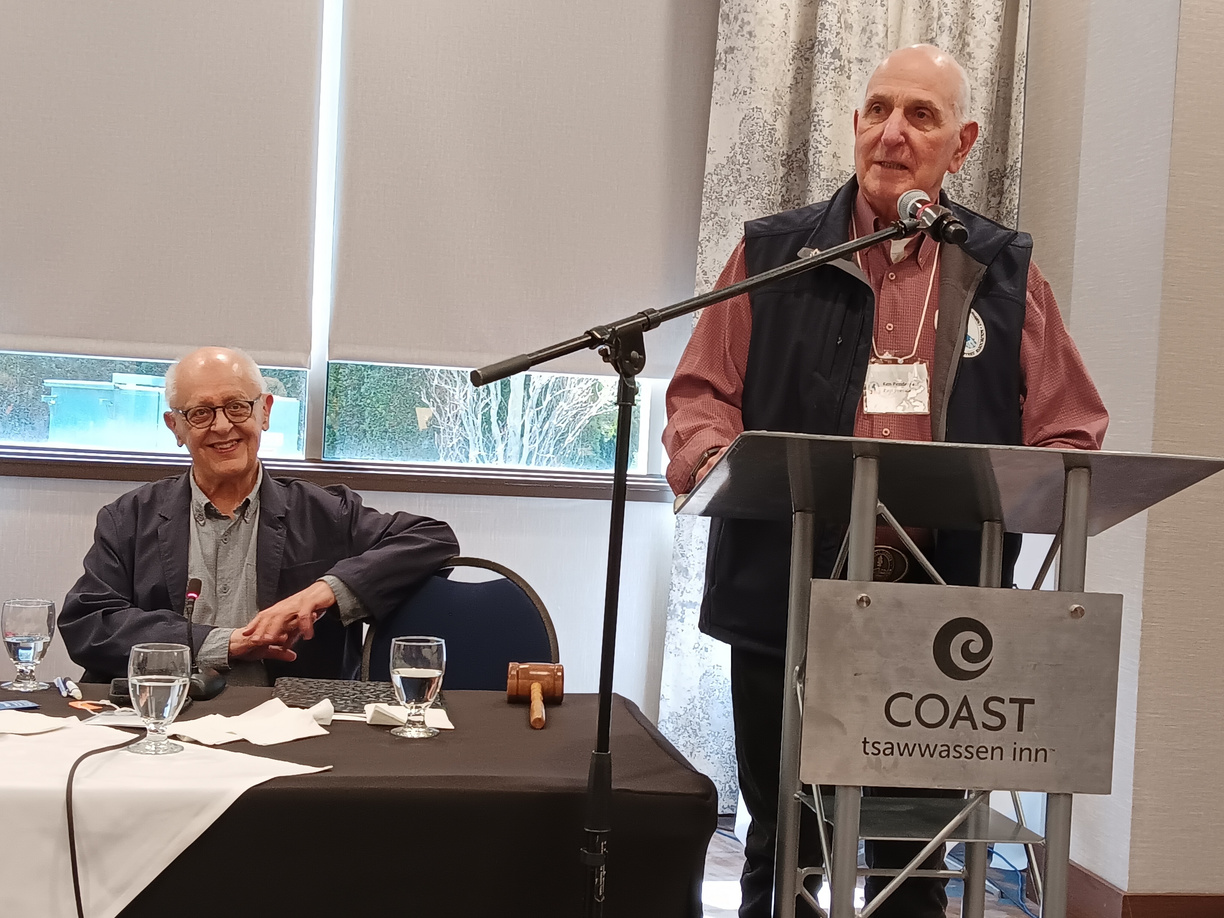
Elections: The elections were held, all elected by acclamation, & installed by Ken Pendergast. The new officers will serve until the AGM April 2027.
President - Wilf Brodrick
1st Vice- President - Merrilee Ashworth
2nd Vice-President - Tammy Welch
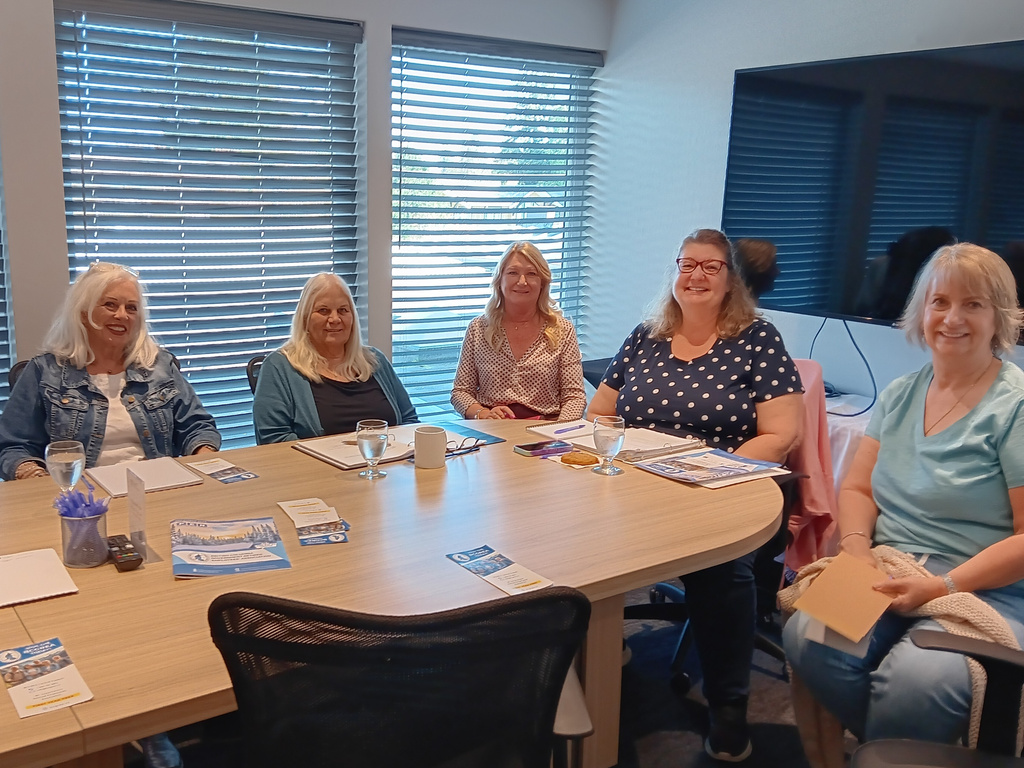
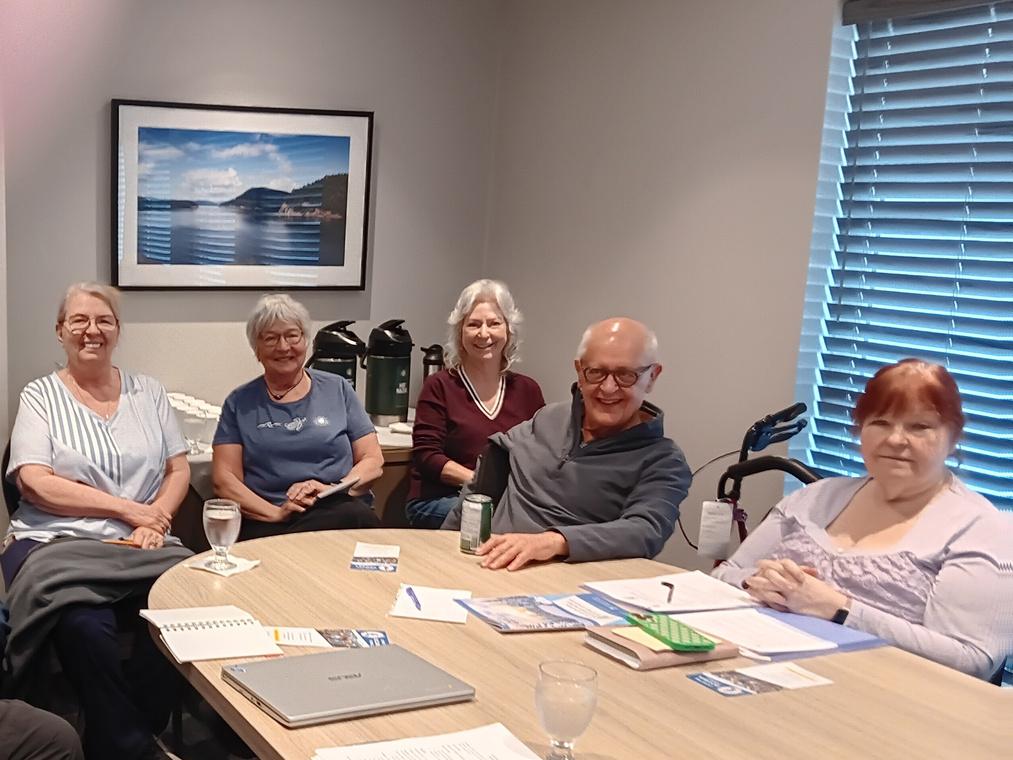
AGM Attendees
Branch 100 Fraser Valley, Branch 500 Kamloops, Branch 700 Kootenays, Branch 800 New Westminster & District, Branch 900 S. Okanagan-Similkameen, Branch 1000 Shuswap Columbia, Branch 1100 Vancouver, Branch 1200 Victoria, Branch 2000 Cheam View and 2600 Cowichan Valley
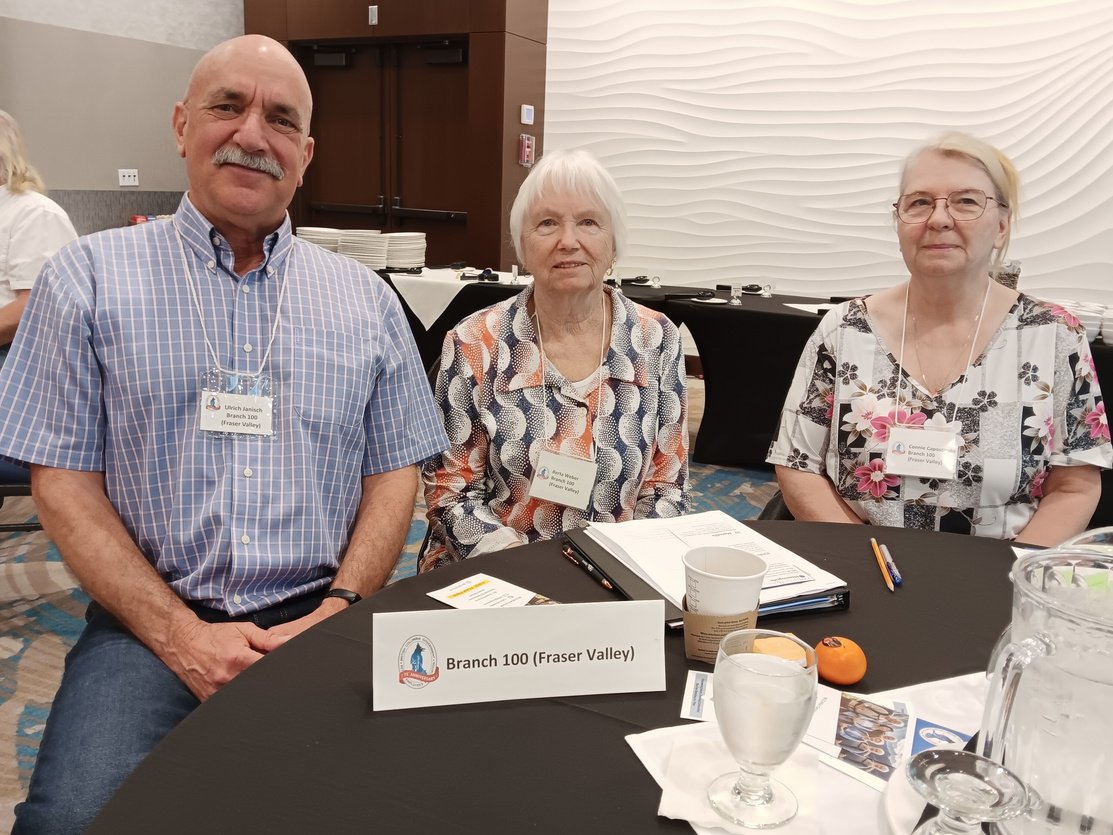
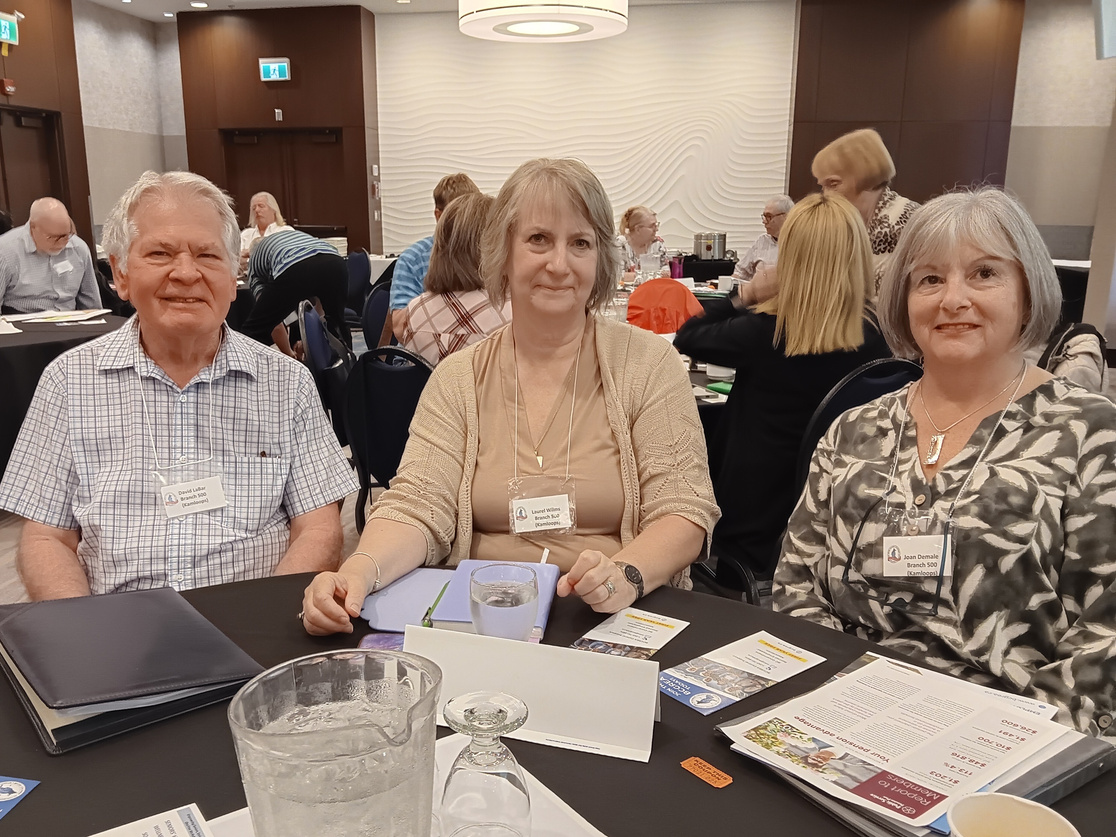
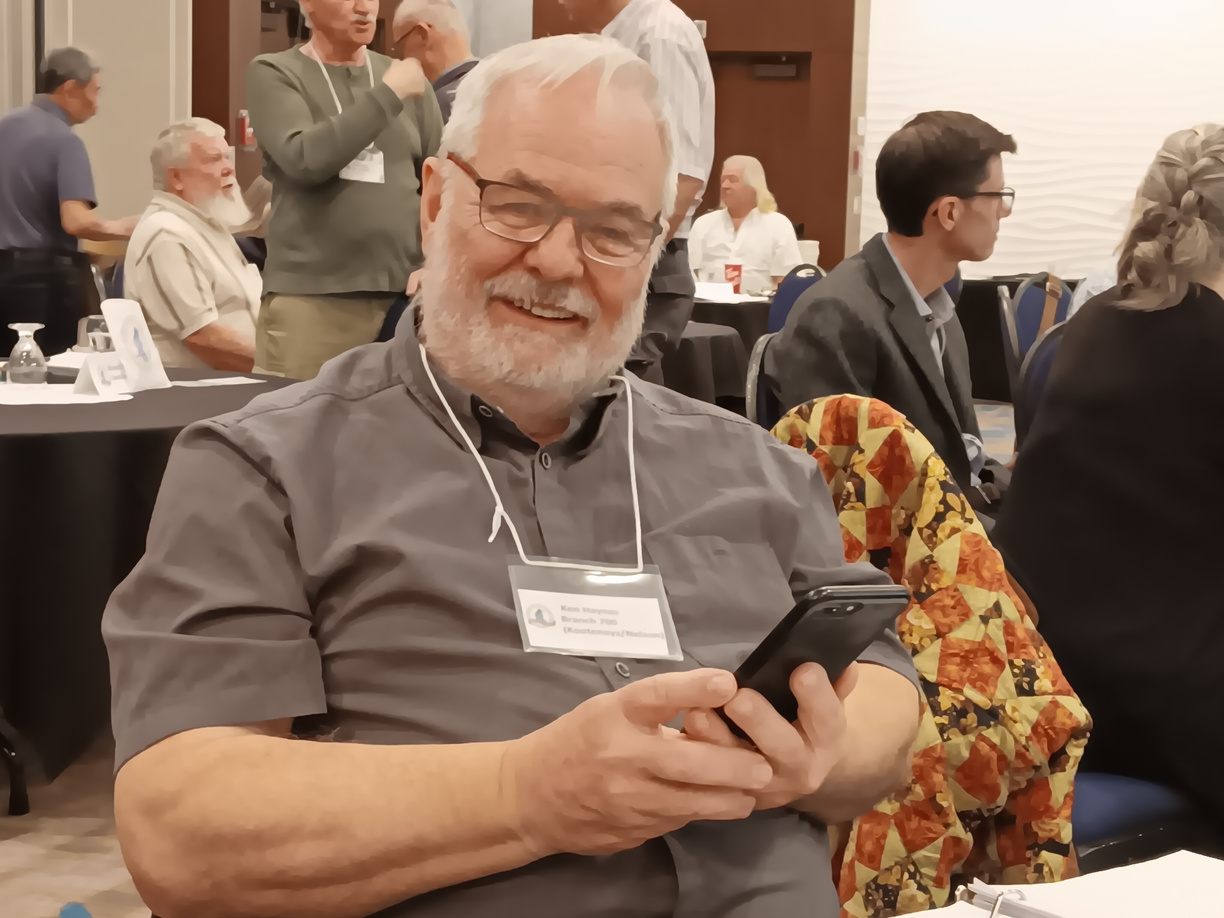
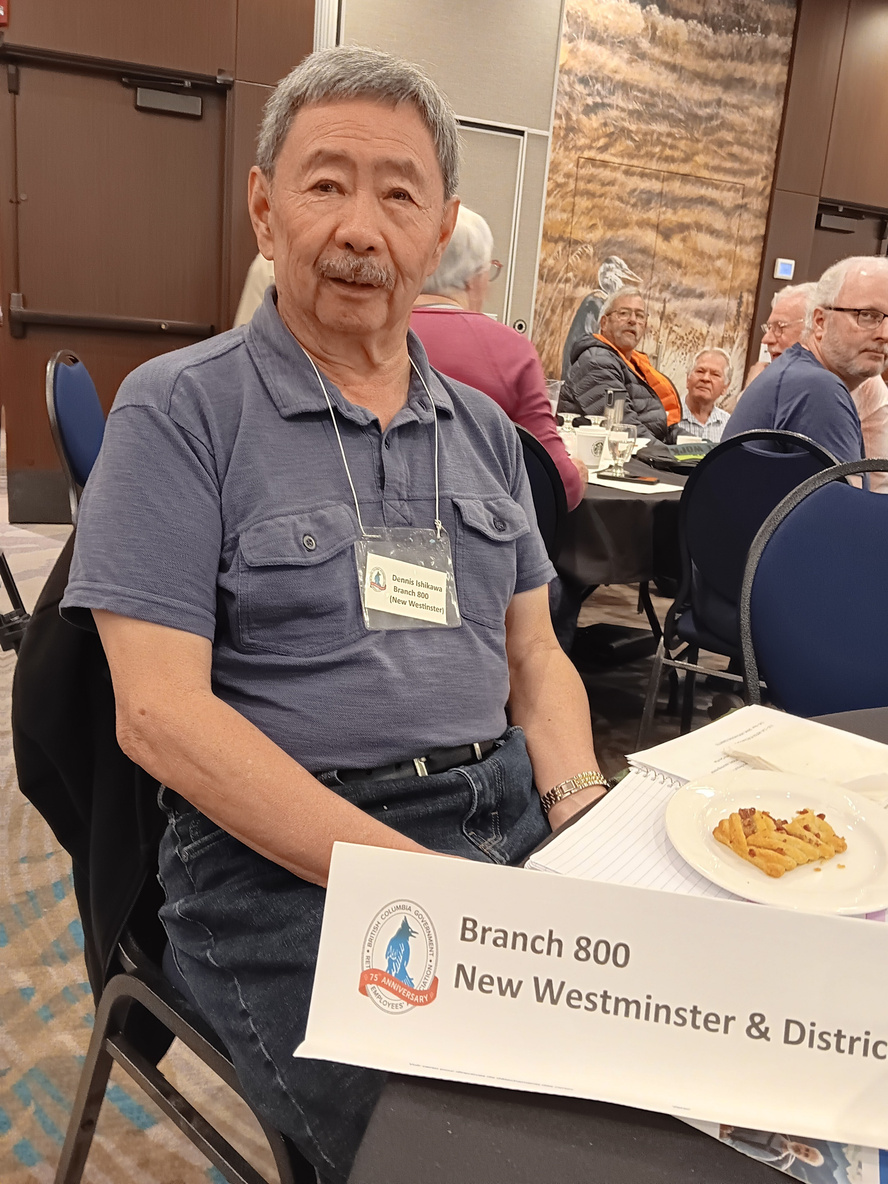
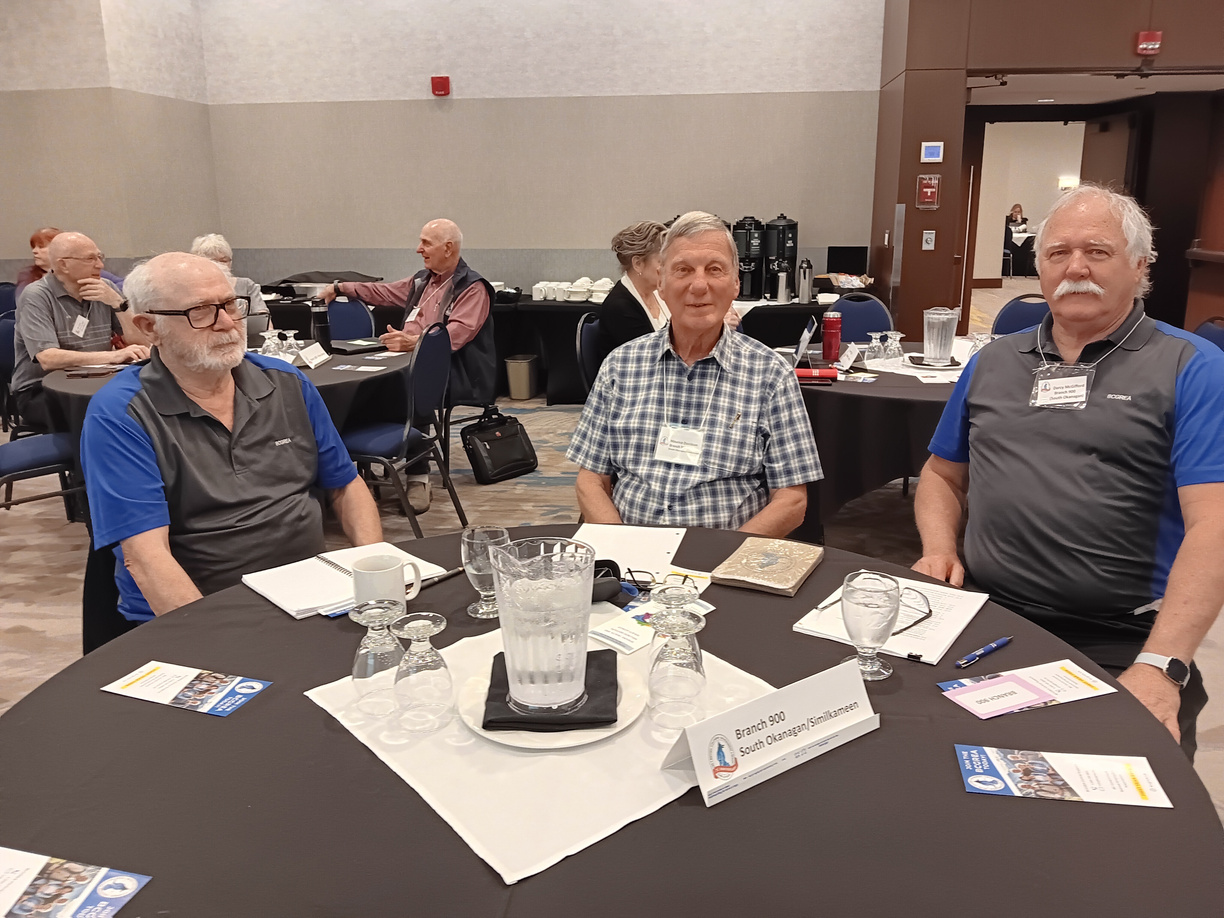
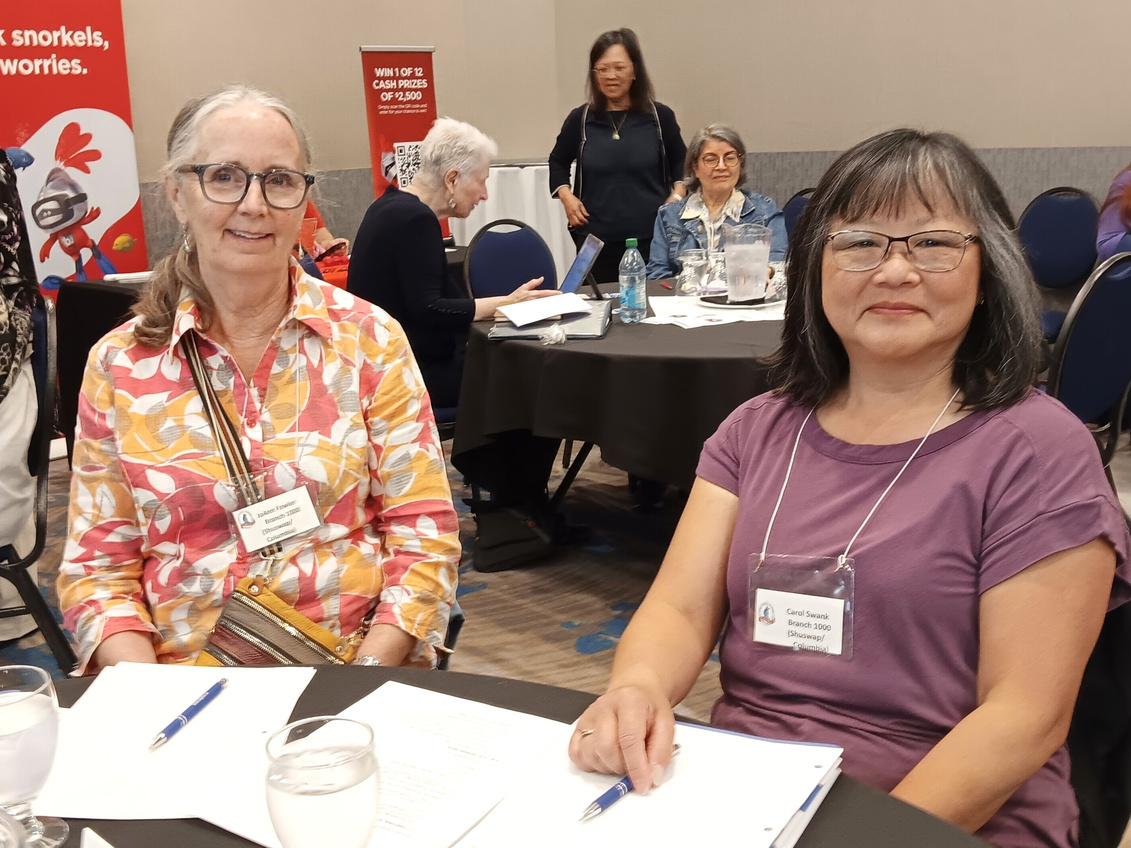
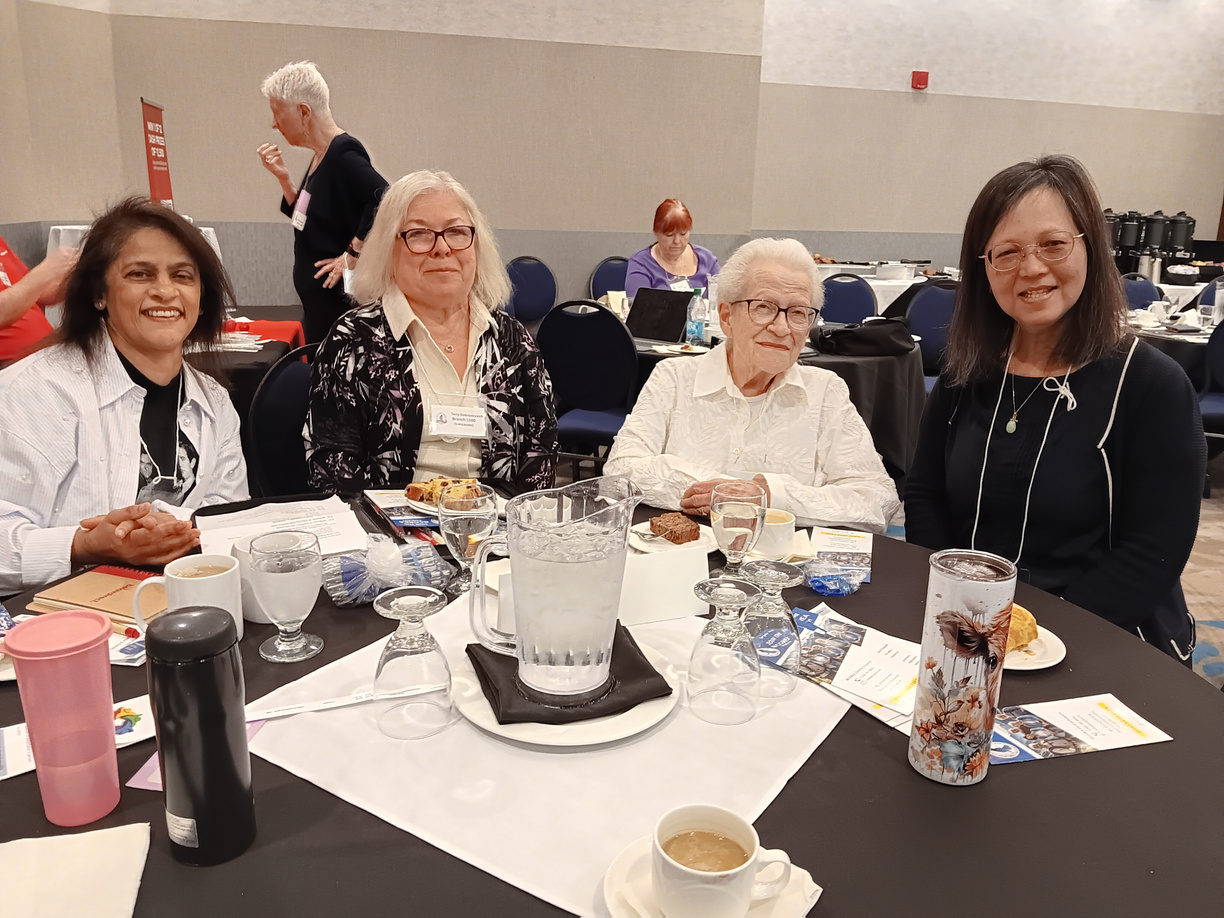
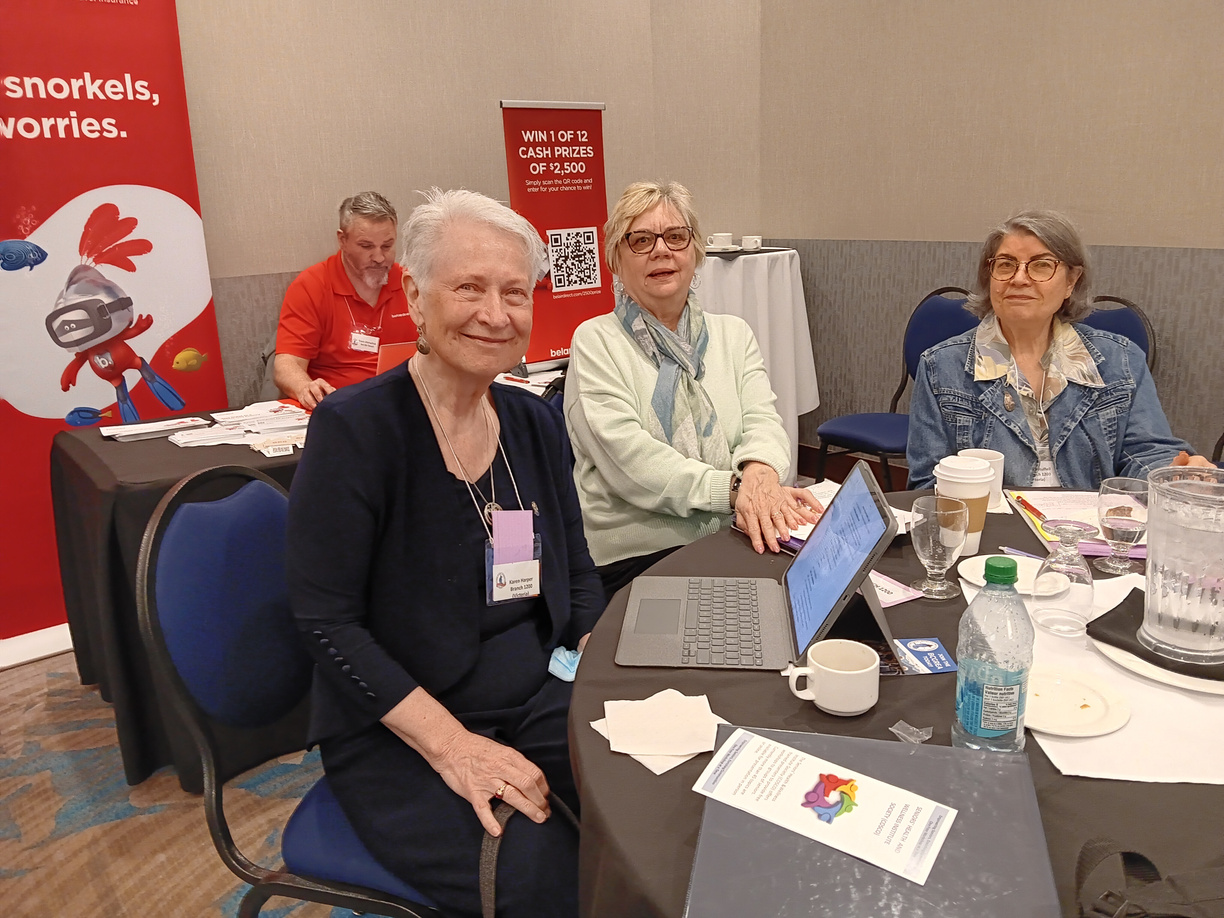
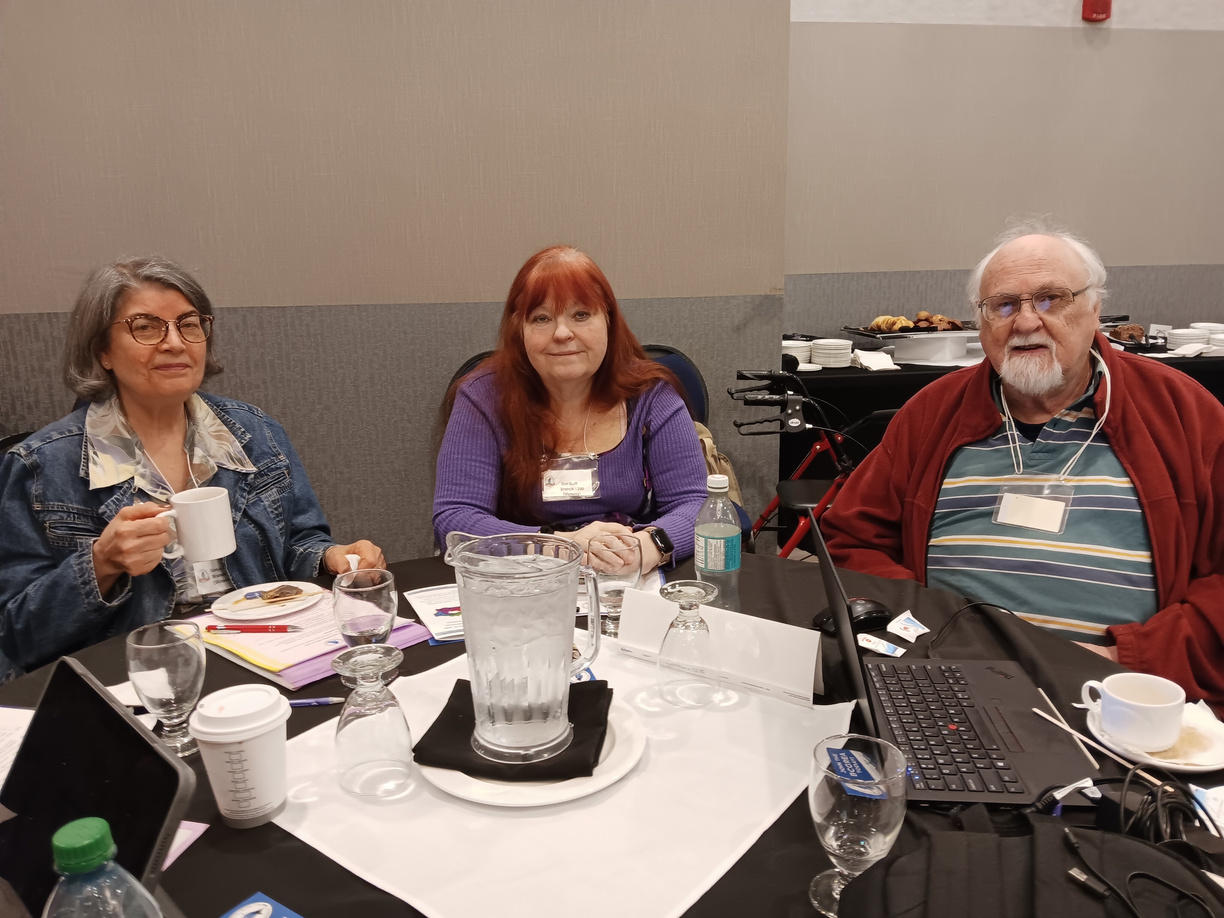
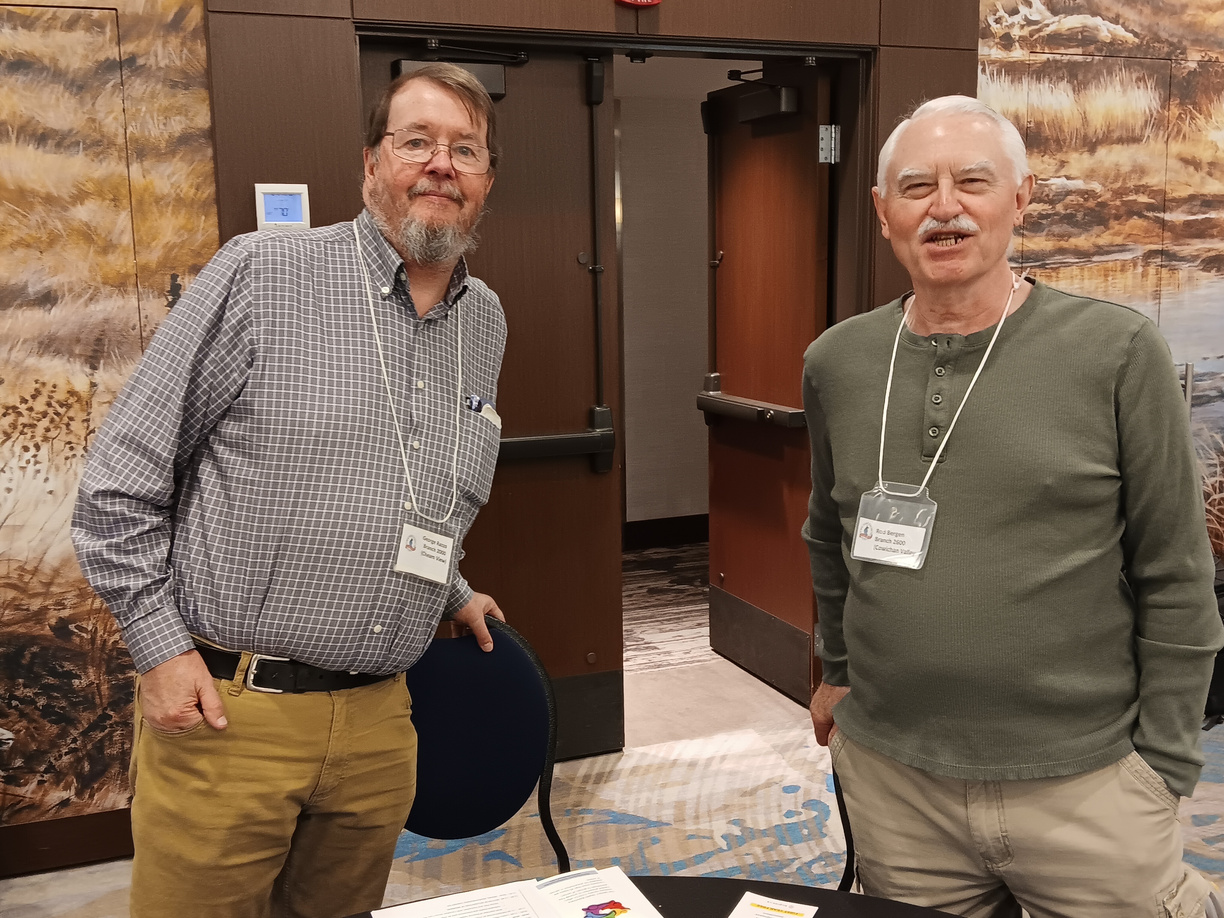
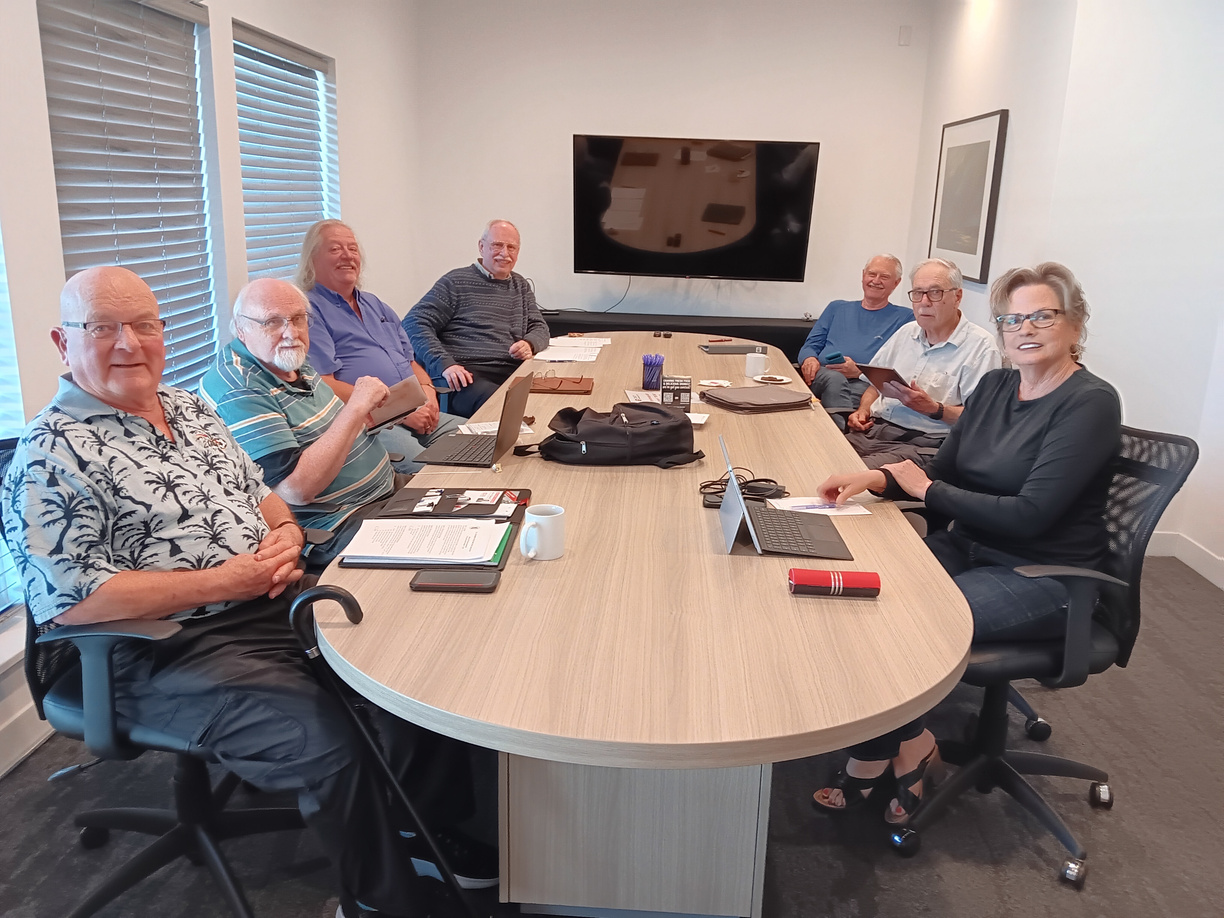
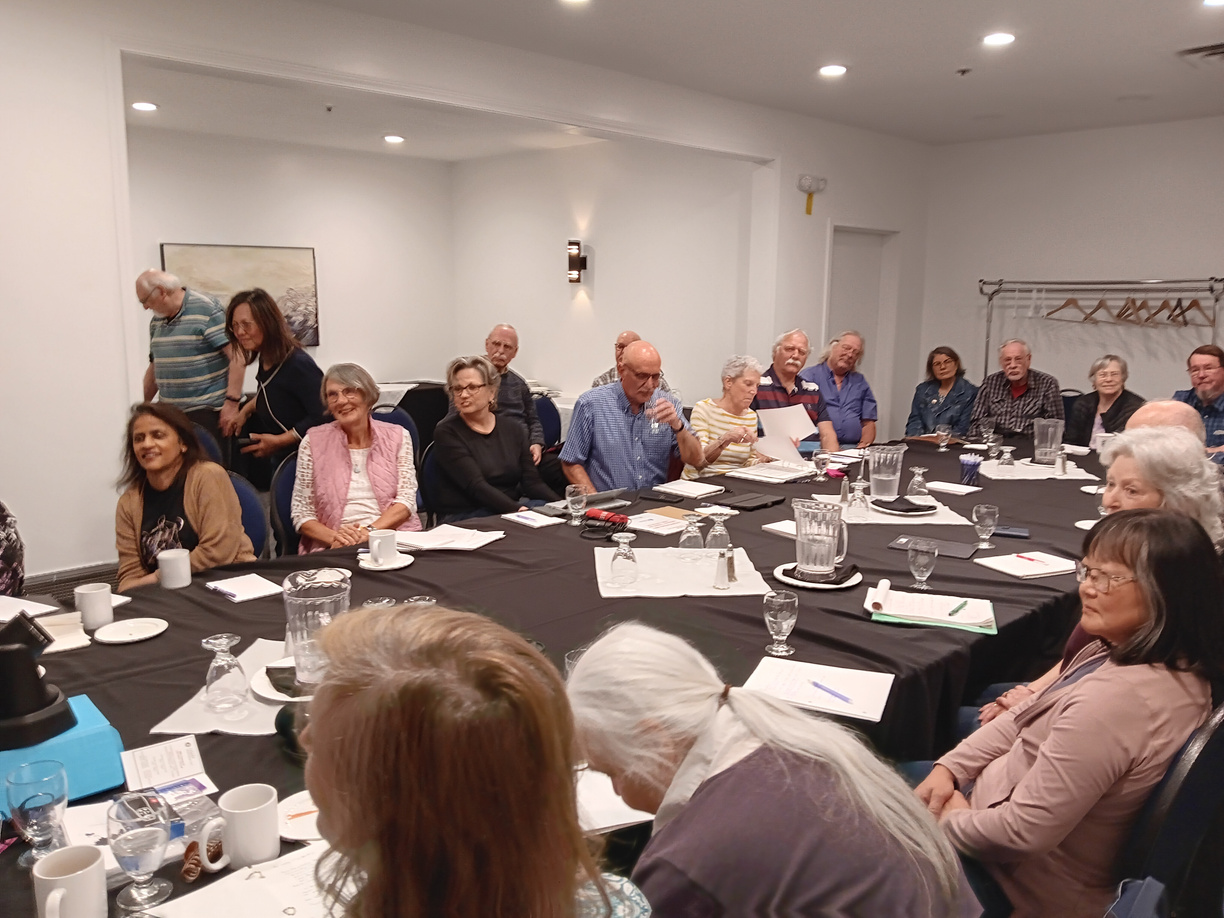
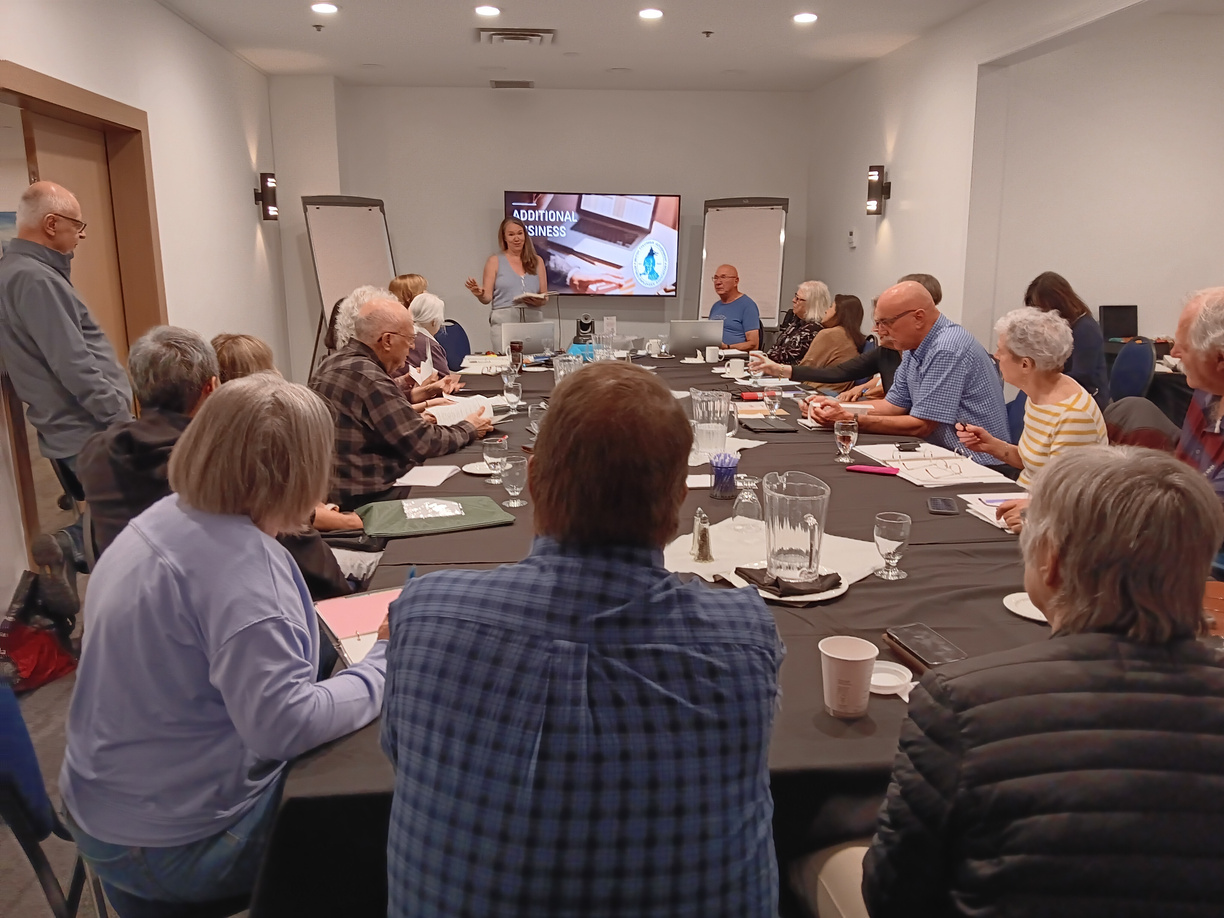
AGM Pictures
Branch 2100 Langley Surrey and Branch 2300 Parksville Communication Meeting
2500 Peninsula Gulf Islands Qualicum and 2400 Golden Ears
Communication Mtg Constitution & Bylaws Mtg Membership Meeting
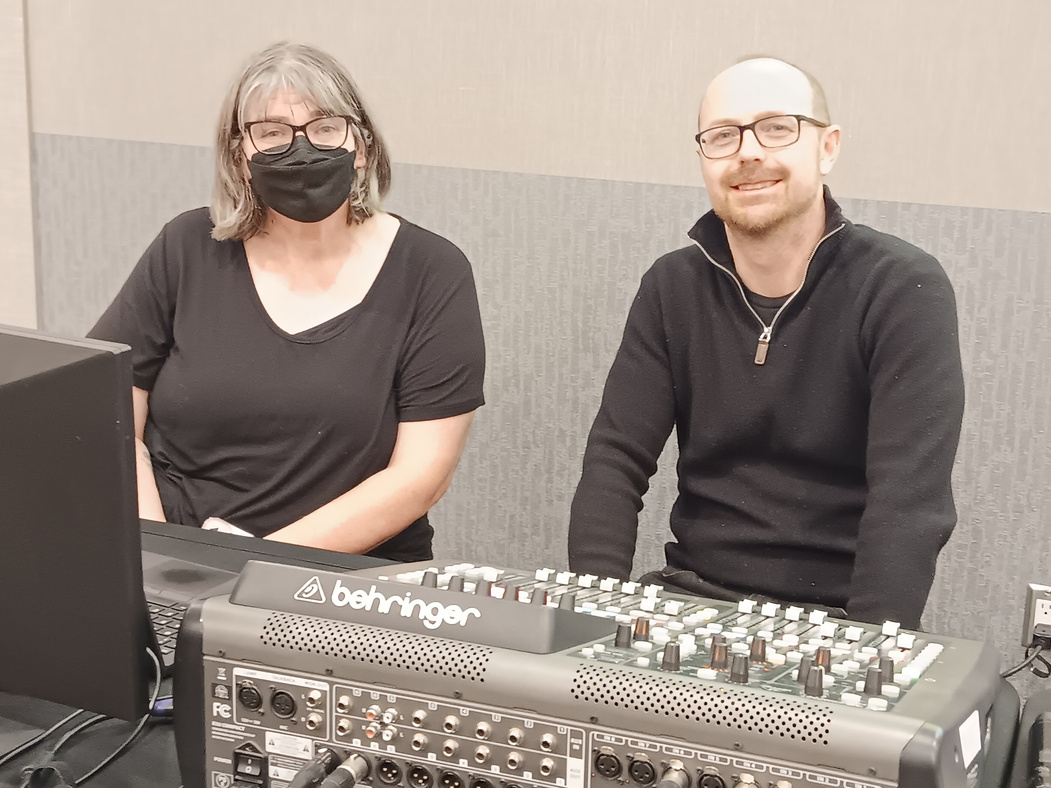
Membership Meeting Support Al and Jodene Technical Crew
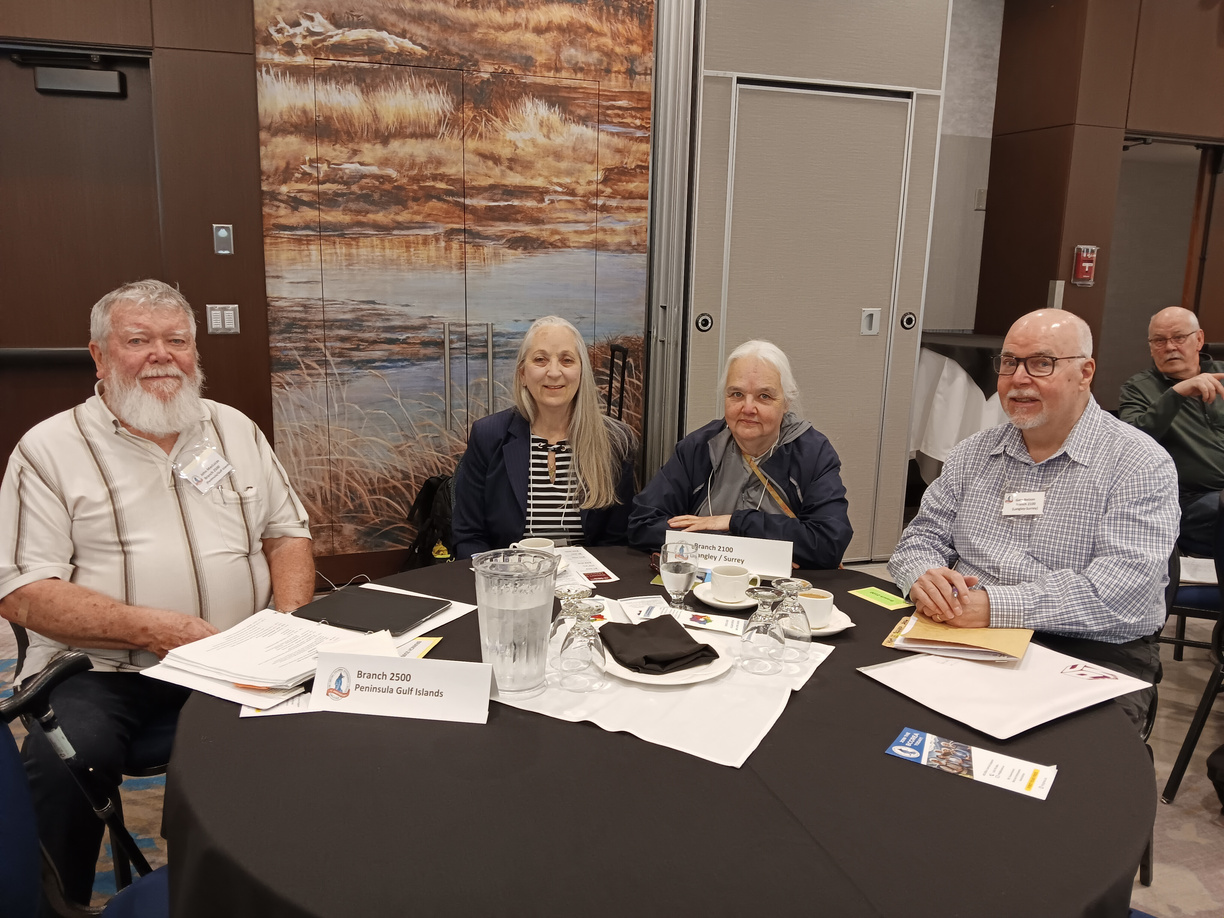
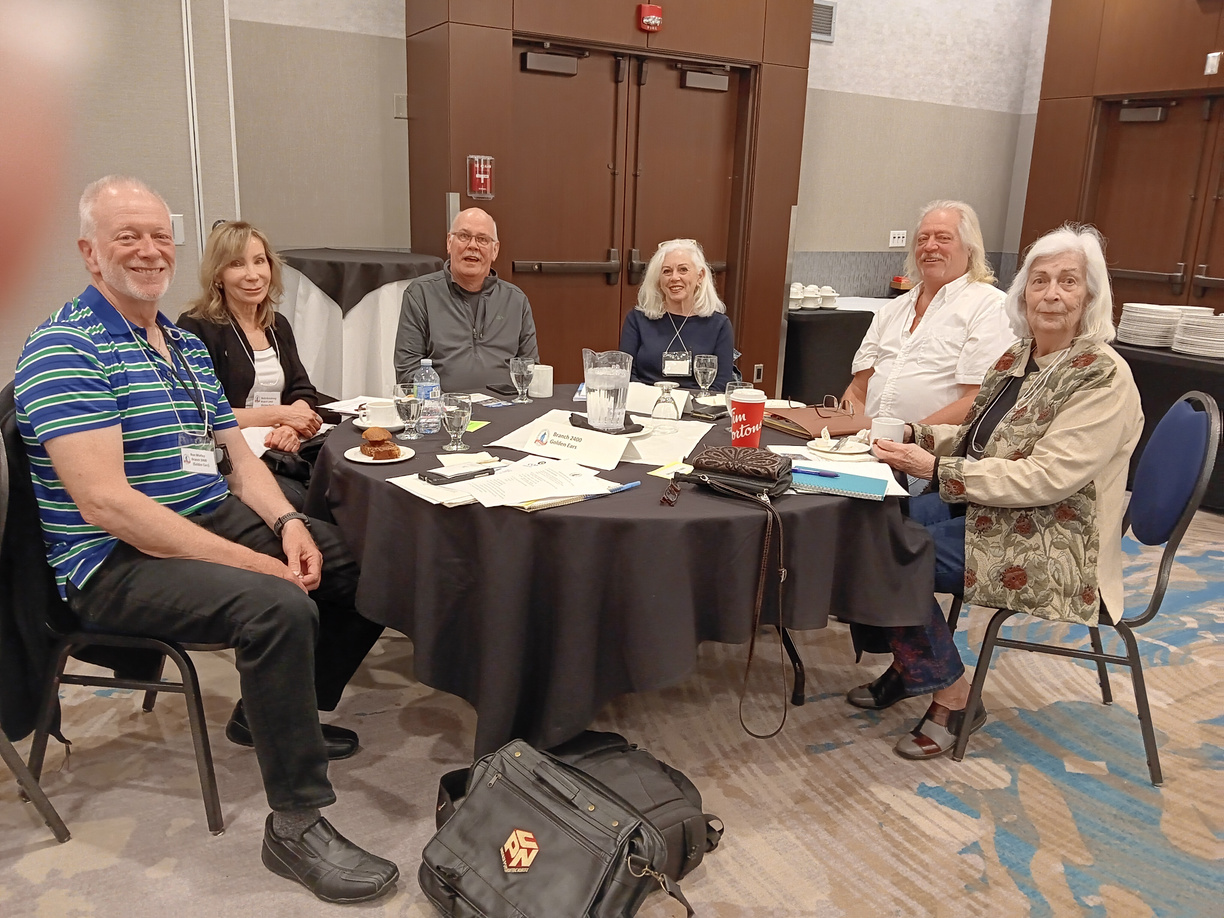

Walter Semeniuk, Branch 300 by Zoe Duff
Walter Semeniuk turned 98 this year, and he remains happily busy.
He grew up in Alberta on a grain farm with two brothers and a sister, where daily life was shaped by hard work and shared responsibility. From an early age, Walter did chores, worked the fields, and milked cows. Farm life taught him self-reliance and the importance of showing up.
At sixteen, he joined the army. After his service, he returned home to finish his schooling and work again on the family farm.
In 1970, Walter began working for the British Columbia government in the Ministry of Highways. Over the next twenty-two years, he worked in road maintenance, drove a gravel truck, and operated snowplows during winter storms. One memory from those years still makes him laugh. While using a pit toilet in a gravel pit, he suddenly felt something coming up from beneath the seat and between his legs. Convinced it was a snake, he bolted out with his pants around his ankles. His coworkers made sure he never forgot his squirrel adventure.
Walter retired when his department was privatized, but retirement never meant slowing down. He was always a jack-of-all-trades. If he was not working for pay, he was helping someone else with odd jobs. He kept a garden wherever he lived, providing fresh vegetables through summer and fall. Besides golfing and fishing, he enjoyed Huckleberry picking. If his wife could not join him, he found someone else willing to climb the mountain for the purple berry.
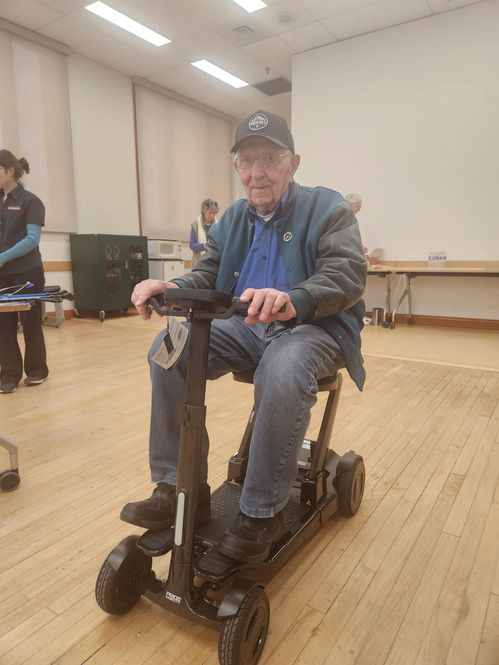
Social by nature, Walter has always enjoyed being around people. He was active in the Lions Club and continues to play cards at the local lodge and seniors club. After hearing about the BCGREA, he joined within weeks and has attended meetings regularly ever since. Recently, during a demonstration of a new mobility scooter, Walter volunteered immediately to try it.
Now living in an independent living facility, he goes downstairs twice a day for coffee and cards. He still holds a valid driver's license and values the independence it gives him. His son and daughter both live in Cranbrook, and he drops by several times a week.
At ninety-eight, Walter remains in motion. His life is marked by work, humour, generosity, and connection, showing how history lives in people who keep showing up everywhere.
Season Opening Weekend: Victoria to Toronto by Zoe Duff
March 27 marked the Toronto Blue Jays’ 50th Season Opener, and we were determined to be there in person to witness the championship banner raised and take part in the opening ceremonies. It felt important to share that moment with thousands of other fans rather than watching from home.
Travelling from Victoria, BC to Toronto, ON required careful planning. With mobility challenges and a tight budget, we took the ferry to Vancouver on March 25 and stayed overnight to reduce stress before our early flight. We flew to Toronto on the 26th, arriving in the evening, where my brother met us and drove us to our hotel. The city already buzzed with anticipation.
Opening day did not disappoint. Watching the American League Championship banner rise was a proud and emotional moment, amplified by the roar of the crowd. The first game crackled with excitement, and the following day delivered a true nail biter. Being part of such a large, enthusiastic crowd was exhilarating. You see things in person that television cannot fully capture, like dugout reactions, crowd rhythms, and the quiet tension between pitches. While I missed the close-up camera shots of players’ expressions, the overhead video screens provided solid replays of key moments.
Navigating the Rogers Centre and travel with mobility issues was challenging. I relied on my walker throughout the weekend and managed, though it was difficult. On the return trip, airline and ferry staff provided wheelchair assistance through security, terminals, and transfers. My walker was carefully handled and always waiting for me at the plane door. Staff were consistently friendly and accommodating.
We watched the third game on our flight home, avoiding the cost of another night. We returned with photos, a pennant, an AL Championship cap, and memories from a jet-setter bucket list weekend well worth the journey.



What Retirement Means To Me
No more work, other than enjoyable hobby work around the house and yard. Here’s some of my October harvest now that there is extra time to focus on the garden. – Valeska Campbell
More social time and games with friends, and the opportunity to do things because “I want to” not because “I have to”. – Tammy
Retirement is great! For 15 years we enjoyed travelling in our fifth wheel across many Canadian provinces and spending three months of the year driving south to Palm Springs, Arizona and Texas where we visited family. When I became uncomfortable driving a rig, we purchased a 4x4 Toyota 4Runner and fishing boat.
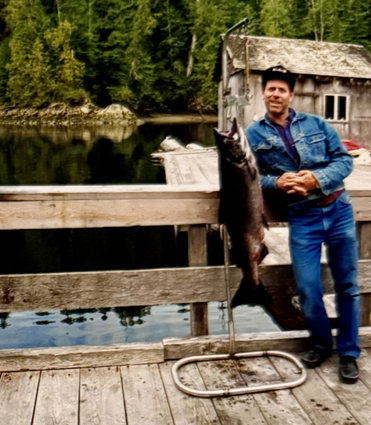
We lived in Gold River for three years near my wife’s sister, where we learned the best spots to fish for salmon and ling cod. After moving back to the mainland, we flew 10 times to different parts of Mexico with friends staying anywhere from two weeks to a month. We also drove many a time to Laughlin, Nevada stopping in Reno on the way. Casinos were nothing like we have now! – Dennis Rumpel
I benefitted from several BCGEU preretirement counselling programs prior to retiring. The Justice Institute of BC course counselled us on retirement benefits and stresses and coping with the common thought that now I just sit back and cash those pension cheques.
I suggest if it isn't being done anymore, it should be. The other counselling program on selecting the appropriate retirement program, was excellent.
The one thing I would suggest as we lose our life insurance, I think, at age 65, is Manulife through the BCGREA. Great insurance BUT had I started it at 55 it would have been even better. Another thing I was counselled on was getting Green Shield. It has been awesome, thank you. You people saw to it that the spouse was included in the counselling, also very important as the spouse is every bit as involved. Again, WE thank you. – Ken Shendel
What Retirement Means To Me
I am writing as an out-of-province member. I retired from BC Public Service in 2019 and relocated to Ontario in pursuit of grandkids. I appreciate the work that the BCGREA does to keep folks engaged and connected. Regardless of being out-of-province, I have taken advantage of some of the benefits you provide, in particular the discounts on purchases and travel.
I find, particularly in our current world, that being a loyal and proud public servant speaks volumes to who I am. There is mounting pressure from other areas of the world for public servants to adapt and cave to the pressure of politics under new leadership. In retirement, what I remember most is my oath to the public I served. I believe that loyalty is paramount, however one can only imagine the pressure on public servants trapped between that loyalty to the people they serve and the fact that if they don't shift to the new agenda, no matter how inappropriate the public policy or mandate may be, then they may be unemployed.
As retirees, remember who we are and support where and when you can the people now carrying the torch. - Len Meilleur
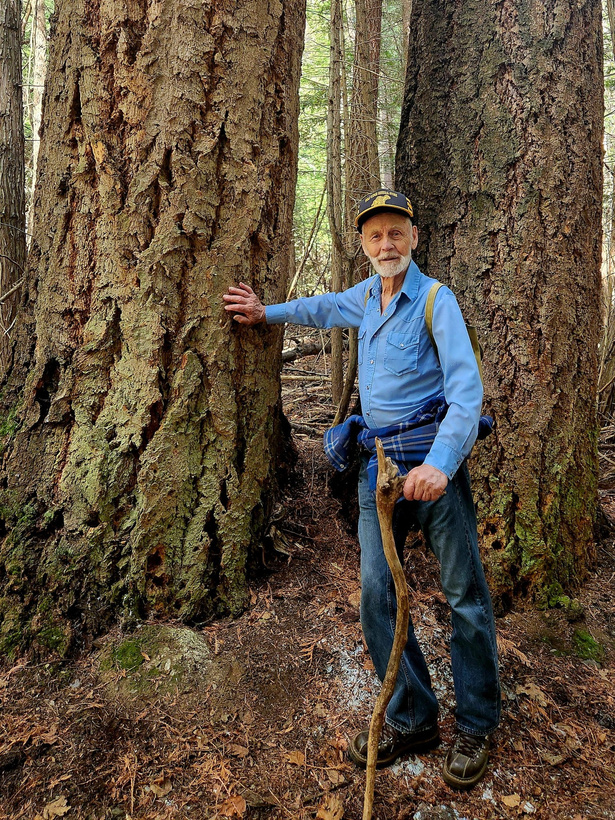
For me, the door to full-time employment swung shut in April 1996. I continued summer work, as a FSR construction supervisor, for the following two summer seasons. I have always been keen on hiking and continue that to this day. As the twentieth century came to an end I began a new hobby - writing. My wife and I formed Majeck Publishing in 2000 to self-publish my first book. I have added four more titles to my published works. My chosen topics are in the nonfiction genre, with some poetry appearing in my latest book.
There is a tract of forested land close to my home. I invade that space frequently for the one hour hike it provides and do minor trail improvements on occasion. Earlier this summer, one of my daughters escorted me on a hike to Little Lost Lake at Tete Jaune Cache, BC – Lloyd Jeck
What Retirement Means To Me
Look to the BC Senior Games for what it means to us seniors. I received a bronze in the women’s 100 metres for 78 years of age – 23 seconds slower than I usually run. I have a great picture that my children took when they and my relatives watched me run in Nanaimo. - Leanor Davidson
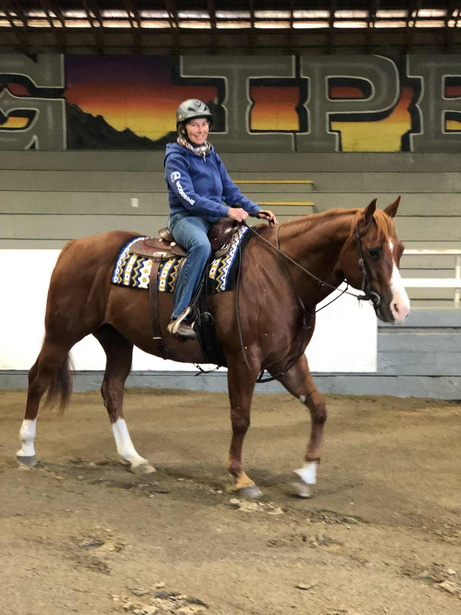
Enjoying every day with animals and family. Hiking, horseback riding and travelling. Who knew that retirement could be this fun! I always wondered if I would be bored after retiring from 37 years with the BC Government. I now don’t know how I had time to work. – Kathy Mydske
I immigrated to Canada from South Africa with my young son. It was in the 1980s when South Africa was going through a new phase and I was the only female barrister in the Eastern Cape at the time. I completed a Canadian degree to qualify as a barrister and solicitor and was accepted to the bench at Nanaimo in December 1998. I started my judicial career in Prince George and sent back to Vancouver Island two years later. I retired in December 2023 with some trepidation after many years on the bench.
In Duncan I started my new life which is primarily focused on my horse riding and back country adventures. I joined the Duncan Golf Club and have been part of the ladies group. I also joined the pickle ball club at Cowichan Lake and started riding an e-bike on the Trans Canada Trail just up the road from my home.
I am learning how to socialize again without being nervous about whether I reveal too much about myself when I was on the bench. – Justine Saunders
I worked mostly for the Finance Ministry during my 35 years of service. Retired now for 22 years and I love it. I find the time to swim, read, do puzzles, and send messages to friends.
My swimming: I keep a record as I swim two miles every week (or 3.22 km). I have finally finished swimming (in a pool thus not swimming in the ocean) from Victoria to Port Hardy. It is about 498 km and it took me three years. I am continuing my journey - now at 512 km and on my way to Haida Gwaii. Another 346 km to go!
I enjoy having coffee out with friends and I like playing Sudoku online. Retirement is a time to be yourself and enjoy all that makes you happy. - Ernie Lyle
FUN FACT

Coast Salish peoples’ legend describes the origins of the western redcedar as a generous man who gave the people whatever they needed. When the Great Spirit saw this, he declared that when the generous man died, a great Red Cedar tree will grow where he is buried, and that the cedar will be useful to all the people, providing its roots for baskets, bark for clothing, and wood for shelter. The species name plicata derives from the Latin word plicāre and means 'folded in plaits' or 'braided,' a reference to the pattern of its small leaves.
Semiahmoo Sunrunners and Walkers by Katherine Dinning
We are a diverse, friendly group of people, with an adventurous spirit, and ambition to stay active. Groups do hikes, bike rides, and walks through Campbell Valley Park, just for fun. We support the athletic community by our continued registration with BC Athletics. Some in the club actively support and coach those destined to be Olympic stars.
As a club, the members support each other in times of need, especially when injuries or illness occurs, and when competing in runs, or triathlons, and other athletic events.
Some members run in the mornings and some join the evening group. We encourage members to mix. The younger evening group, although fast as horses, are exciting to be around. Their enthusiasm for the race, is infectious. Their ever reliable coach is there for the long haul. Others like me, are out to enjoy the slower pace, the company, and conversation.
For years the club formed teams to run relays wherever the mood took us. We ran the Jasper/Banff, Skagway/Whitehorse, Napa Valley, Cabot Trail, and of course the Haney/Harrison, now the Whistler 50. As time passes, members are staying closer to home. Motivation and enthusiasm requires more effort as the older members have “been there, done that,” and the younger members have growing families. Still we make it out there. Just this month we participated in the Whistler 50 relay and ultra.
On a daily basis, as we go out for our regular morning or afternoon exercise, we hit the trails, or pavement, undecided.
We are still out there. For over 45 years, through highs, lows, COVID, and retail competition, we have survived. We enjoy our Christmas morning breakfast run/walk, the Campbell Valley potluck run/walk, and the Terry Fox Run, everyone is welcome.
As we maintain and expand our activities we invite everyone to participate, and encourage others we know to join in. We can be found on Facebook.
The runners and walkers have joined together for coffee on warm Saturday mornings, after returning to the South Surrey Recreation Centre parking lot, where we start. We have also gathered together to enjoy samosas at Campbell Valley Park or drink a beer on the beach.
Semiahmoo Sunrunners and Walkers


How he gives back to the game by Terry Burgess
Most people do not realize how many "officials" it takes to run an officiated curling event. As the rules stand today, there are half as many officials as there are curlers on the ice.
On each sheet, there is an observer hiding out beside the scoreboard. That observer watches each shot and puts on the score. They talk with the players, but if there is a problem, the team talks to an on-ice official who may ask the observer what they saw.
Up in the stands at the home end is a timekeeper who is running the "thinking time clock". Also, there is a judge who is rating each shot a player throws. There will also be an official overseeing these people.
On the ice, there is at least 3 officials whose job it is to make sure coaches adhere to time-out rules, answer team questions, measure rocks, make sure TV crews and photographers don't interfere with play, and keep things running smoothly. They have a special job keeping a televised game in step with advertising and other breaks. The on-ice observer reports their observations to them.
Last but not least is the main umpire. They are the supreme authority and settle all disputes.
To summarize, on 4 sheets of ice you would have 32 curlers competing. There would be 8 officials, 4 observers, 4 timekeepers, 4 people scoring each shot, 3 on ice officials, and the main umpire. Every official prides themselves in not being directly involved in the game that is why they don't stand out like an umpire in baseball.
There are retired government employees who have been qualified to officiate curling, and I am one. I officiated one of the first Canadian playoffs to be officiated (the 1988 Canadian Seniors) and several of Coleen Jones' games, and 2 of Kelly Scott's games.
Curlers are not an argumentative bunch (for the most part) but there is the odd time when an official is involved.
Notice the BCGREA Broom in the top left corner?


Sports runs in the Family by Leanor (Brodie) Jolly Davidson
It was my mother, Jane Eileen Brewis, who inspired my lifelong passion for sports. She was a sprinter representing Vancouver’s John Oliver High School in the 1930s.
My mother trained me as I had blocks and high jumping pit in our yard in the Fraser Valley. I loved to run, high jump, and later in Vancouver I figure skated. All that jumping in the pit made me a better skater. I played all sports at my school in Nanaimo and skated seriously. In junior high school I belonged to the Nanaimo Track Club and ran for Woodlands Junior High School. Last year I ran in Nanaimo, once again but for the BC Seniors Games – just like old times for me as my family flew drove in to be there.
For years I ran in the Vancouver Sun Run, 8K and 10K everywhere in BC. I have assisted with the Peninsula Track Club, the Juan de Fuca Learn to Run Clinic, and coached the track and badminton clubs for a few years at one of the local elementary schools. I enjoyed figure skating until four years ago when my boots and blades finally gave out. I ran the Marigold Elementary School “Learn to Skate” on Wednesday afternoon for the school. What a pleasure that was for me to have my own children there too.
I'm 80 this year and attend exercise classes where I have the most wonderful, positive instructor, Glenda, at Juan de Fuca Recreational Centre. She put together a program to get me in shape for the BC Senior Games while I was in Yukon last year and once again is doing the same for me as well as being a personal trainer for me. I will be running the 100m and 200m in Kamloops in September 2026.
My sons and daughter all played soccer for Gorge Saanich, ran for their schools, ran and played all other sports for their schools and Universities. They are all still involved in sports playing, coaching along with their children in South Korea Vernon, Calgary and Kamloops.
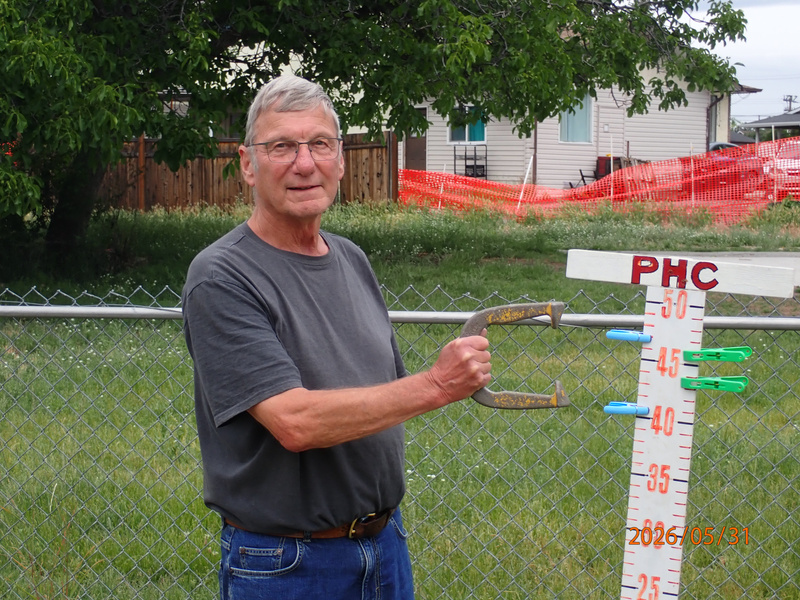
Horseshoes, a Sport for all ages by Larry Martin
You can play for fun or play to compete in local, provincial, national, and international sanctioned tournaments.
You don't have to be a club champion to play in sanctioned events. There are categories for all skill levels. Entry is based on the average percentage of ringers you score in a game, much like a Golf handicap, each player is assigned a ringer percentage and will be grouped with others of similar skill. Similar to golf T-offs, elders, women, and juniors have the option to throw to the pit from 30 ft rather than the traditional 40 ft. New this season is a category for women over 65 who are allowed to throw from 20 ft.
Local tournaments are usually only one day and cost $15-25 dollars, often including a meal with plenty of time to socialize, win draw prizes as well as cash prizes for winning in your category.
Give it a try. Our branch executive arranged a free session for our members at our local club in Penticton. Several members, including our branch co-chair, enjoyed it enough to join the club.
To find a club near you, visit BC Horseshoe Association
BCGREA Athletics report by Larry Martin
The 55+ Games in Kamloops is September 8-12, 2026. BCGREA members will be there participating and hopefully showing our colours. We have Iron-on Patches, Pins, Tote Bags, and Water Bottles available for member supporters and participants, available for pick up at the games.
Let us know what your Branch is up to and share your experiences. Members who have signed up for BCGREA Athletics updates want to know.
Okanagan-Similkameen Branch 900 activities included free Stick Curling instruction as well as an introduction to Horseshoes and Lawn Bowling. Local clubs were invited to give short presentations at our regular meetings, and we sent club contact information to all our members. Invitations work! Several members are now involved in these sports. Let's get back in the game as players, supporters, and coaches.
What is Pickleball? by Tammy Welch
Pickleball is a fun, fast-paced paddle sport that combines elements of tennis, badminton, and table tennis. It is played with a solid paddle and a lightweight plastic ball with holes. Players can compete in singles (one player per side) or doubles (two players per side) on a court the size of a badminton court, with a slightly lower net.
Pickleball is easy to learn and suitable for players of all ages and skill levels. To get started, you only need to know a few basic rules.
The Serve: The serve must be hit underhand. Contact with the ball must be made below the waist. The ball must travel diagonally across the court. The serve must clear the kitchen (including the kitchen line) and land in the opponent’s service court.
The Two-Bounce Rule: After the serve: 1. The receiving team must let the ball bounce before returning it. 2. The serving team must also let the return bounce before hitting it. Once these two bounces have occurred, players may either hit the ball after it bounces or volley it (hit it out of the air).
The Kitchen (Non-Volley Zone): The 7-foot area on both sides of the net is called the kitchen. Players may enter the kitchen to hit a ball that has bounced. Players cannot volley the ball while standing in the kitchen or touching the kitchen line. Volleys made from inside the kitchen are considered a fault.
Scoring: Games are usually played to 11 points. A team must win by at least 2 points. Only the serving team can score points.
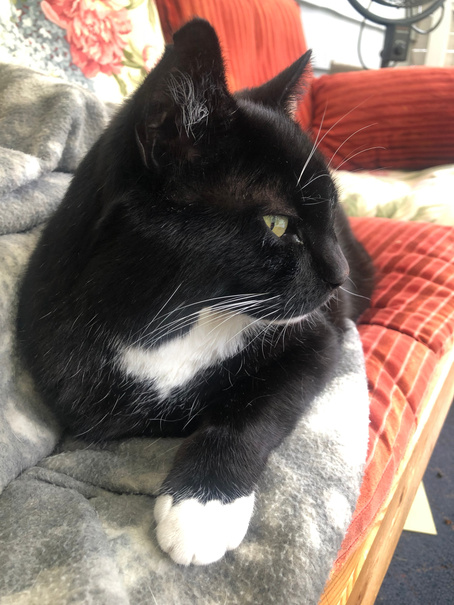
Battle of the Bed by Katherine Dinning
While attending Sue Heuman’s presentation on “Sleep” at the March 16 BCGREA 2100 membership meeting, she mentioned that one possible cause of insomnia is sleeping with pets. That comment made me smile as it brought back a fond memory of our cat, Tux.
Tux was an abandoned tuxedo kitten, about 12 weeks old, who appeared in our yard in June 2014. We began putting out a bowl of kibble each day, hoping he might stay—and as summer turned to autumn, he did. Before long, Tux became part of the family.
My partner, however, was not particularly fond of pets and firmly believed Tux belonged outside. Each time Tux approached the door, he was turned away with a gentle but consistent “no, no.” So Tux spent his nights on the covered sundeck through the summer and fall.
When winter arrived, Tux managed to make his way into the house—but new rules were set. He was not allowed in the bedroom, and absolutely not on the bed.
That rule didn’t last.
One spring day, after a busy morning of yard work, my partner lay down for an afternoon nap. Tux quietly followed him into the bedroom and jumped on the bed. He was promptly removed. Tux jumped back up—again, he was removed. Back and forth it went, a determined little battle of wills.
I watched for a while, then went outside to finish some chores. When I returned about an hour later, I found them both fast asleep, side by side, on the bed. From that day on, the battle was over—and Tux had won.
Whether for an afternoon nap or through the night, Tux could always be found curled up next to my partner. He remained there, his usual spot, until he passed away ten years later.
Even now, when I walk into the bedroom, I can still picture that quiet tug-of-war. And every time I do, it brings a smile to my heart. We miss that sweet, determined, and persistent little tuxedo cat.
ElderDog Canada by Cindy Fristoe
Dog Care Support For Seniors Program enables older adults, living at home and with challenges affecting dog care, to continue to benefit from their relationship with their canine companions. With the help of their volunteers, ElderDog provides a range of assistance and support, including:
Assisting seniors with exercising their dog
Delivering or picking up dog food from a grocery or pet store
Providing light tasks associated with animal hygiene
Grooming such as nail clipping or help with brushing
Transportation to and from vet or groomer
Temporary care during hospitalization
ElderDog volunteers visit seniors at home and help with basic dog care. There is no fee for their services.
For more information, visit their website at elderdog.ca/programs. You will find other services such as long-term and perpetuity care for your peace of mind.
There are 19 locations across BC.
Burnaby/New West
burnabynewwestldr@elderdog.caKim Rieger (Pawd Leader)
Comox Valley
comoxvalleyldr@elderdog.caCarol Tyson (Pawd Leader)
Cowichan
cowichanldr@elderdog.caKamloops
kamloopsldr@elderdog.caDarlene Snellen (Pawd Leader)
Nanaimo–Oceanside
(serving Nanaimo, Gabriola Island, Lantzville, Nanoose Bay, Parksville, Qualicum Beach)
nanaimoldr@elderdog.caLinda Willis (Pawd co-leader)
Debbie Kandert (Pawd co-leader)
North and West Vancouver
nwvancouverldr@elderdog.caArlo Court (Pawd Leader)
Okanagan
okanaganldr@elderdog.caJennifer Wilson (Pawd Leader)
qathet Powell River
qathetpowellriverldr@elderdog.caSidney Clare (Pawd Leader)
Ridge Meadows
ridgemeadowsldr@elderdog.caLinda Osada (Pawd Leader)
Richmond-Delta
southfraserldr@elderdog.caMandy Leach (Pawd Leader)
Saanich to Sidney
saanichtosidneyldr@elderdog.caVicky Michaels (Pawd Leader)
Squamish
squamishldr@elderdog.caSophia Krstin (Pawd Leader)
Sooke-Westshore
sookewestshoreldr@elderdog.caBev Gosling (Pawd Leader)
South Fraser
southfraserldr@elderdog.caMandy Leach (Pawd Leader)
Sunshine Coast
sunshinecoastldr@elderdog.caKira Sufalko (Pawd Leader)
TriCities (serving Port Moody, Coquitlam, and Port Coquitlam)
tricitiesldr@elderdog.caVan City
vancityldr@elderdog.caVictoria
victorialdr@elderdog.caCatherine Ryan (Pawd Leader)

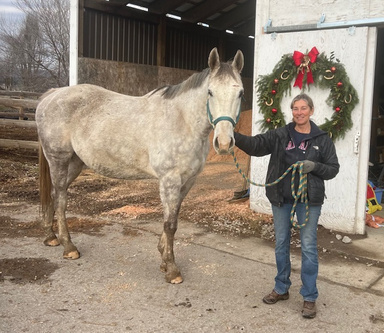
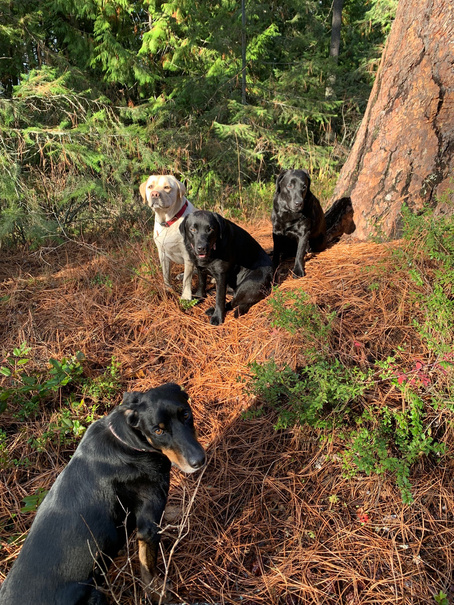
We are looking for more stories about your pets.
We’d love to see your photos and hear about the adventures you share with your pets, as well as their cute, quirky, or downright bizarre behaviors. We’re interested in it all!
For example, my cat likes to lie in the bathroom sink and watch me while I’m getting ready. It’s a little disconcerting! She also wakes my husband up at 6:00 a.m. every day. Apparently, she never got the memo that he’s retired now.
My son once had an iguana with a strange fascination for toes. Again, very disconcerting—especially when you’re sitting around in bare feet!
Our pets are such special companions. They bring us love, comfort, laughter, and endless entertainment. Let’s celebrate these wonderful friends by sharing the stories and moments that make them so memorable!
Dementia Part One – By Ron Morley
Cancer is often discussed in terms of acquaintance – we all know someone who has been impacted by cancer. Unfortunately for our demographic, the same can be said for dementia. On a professional level in my career as a psychiatric nurse, I had countless patients with cognitive impairments, including dementia. On a personal level, I am a key witness to my Mother-in-Law’s journey with dementia.
But what exactly is dementia?
Dementia is an umbrella term that captures a group of symptoms impacting memory, personality, and judgement. Alzheimer’s comprises 60% of all dementia diagnoses worldwide (WHO 2021); so prevalent is Alzheimer’s that “Dementia” and “Alzheimer’s” are often used interchangeably. Unfortunately many people mistakenly view dementia as the diagnosis instead of a descriptor. Similarly, mental illness is the umbrella and schizophrenia is the diagnosis. Understanding which type of dementia a patient has may assist with grasping the symptoms of the disease and its anticipated progression.
Many people are diagnosed with dementia however the specific diagnosis is often a crucial next step that too often gets overlooked. Comparatively, if someone is diagnosed with cancer the diagnosis will inevitably lead to exploration of the cause in an effort to treat the disease (i.e. lung versus skin cancer will attract different treatments). This same declaration isn’t always true with dementia. Screening normally begins with cognitive function tests followed by laboratory testing and neuroimaging. The methods to detect diabetes or hypertension are relatively straightforward. By contrast, the methods used to discover age-related cognitive impairment are more difficult. Compounding the diagnosis is denial and unacceptance due to perceived stigma - nobody wants to admit to or face a future of progressive cognitive decline.
Dementia Part One Cont’d- By Ron Morley
With dementia being so ubiquitous in our society, as we age our memory naturally slows down and it becomes only normal to be concerned about our increasingly sluggish powers of recall - are we developing dementia? It is prudent and hopefully somewhat comforting to note that dementia is not actually a normal part of the aging process as only one percent of people with age-related memory loss will develop a form of dementia.
The most common symptoms include memory loss, impaired understanding or judgement, decreased decision capacity, changes in emotions and personality, difficulty achieving previous activities of daily living, and social impairment (camh 2022).
The following are the most common types of dementia:
Alzheimer’s is the most common form, often presenting with a very gradual onset with a progressive decline in functioning.
Lewy Body dementia is the second most common type of dementia and is characterized by visual hallucinations, Parkinson-like motor movements, unpredictable fluctuations in cognition and level of consciousness.
Vascular dementia is caused by conditions that impair or block blood flow to the brain and represent approximately 15-25% of dementia diagnoses (WHO 2021). Strokes are the most common origin because they can be due to a block (ischemic) or burst (hemorrhagic) of the blood vessels in the brain. A stroke more than doubles the risk of developing dementia (Heart & Stroke) and hypertension is the most important risk factor for stroke and vascular dementia.
Frontotemporal lobe dementia often results in early decline in social skills, disinhibited behaviours, apathy and significant decline in insight/judgement. It usually has an earlier onset than other dementias, often with a family history of frontotemporal dementia.
Regardless of the diagnosis, there is always hope.
Please refer to the following link for more information on dementia:
In Part 2 we will look into the Symptom, Risk Factors, Treatment, and provide you with more resources.
It is not my intention to leave this article as a cliffhanger, if you would like to read additional information prior to part 2 then please look at these resources upon which I relied to write this piece:
https://www.heartandstroke.ca/stroke/what-is-stroke/stroke-and-dementia
https://www.camh.ca/en/health-info/mental-illness-and-addiction-index/alzheimers-or-dementia
Food Waste by Jodine Ducs
I was taught from a very young age to clean my plate. Dieticians and behaviorists now claim this leads to an unhealthy relationship with food (they might have a point – I do LOVE my food), but I still can’t shake that need to finish every morsel. My husband, on the other hand, always leaves a little bit behind. He says it’s proof that he’s satiated.
As the two of us dither about wasting food on our micro level, Canadians waste a staggering 46% of all food, according to Second Harvest, Canada’s largest food rescue organization1. While food waste occurs in all points of the food cycle: post-harvest, processing, distribution, retail, food service industry; 47% of total food waste occurs at the household level.2
Unfortunately, many of the systems that we have in place to help us actually contribute to food waste. Bulk buying: designed for the wise shopper. When one mango costs $2 but a case of 12 is just $10 – of course it’s tempting to buy that case of mangos, even if half end up rotting.
Freezers. I can still remember the day my family ordered their first deep freeze, purchased on a payment plan. It was massive and came stocked with frozen food. I guarantee my mother threw out lots, especially those unfortunate items that fell to the bottom. While freezers are fantastic at preserving food, they’re not for an indefinite period. Improper labelling and packaging can hasten freezer damage. There aren’t many of us who want to eat that questionable, unknown meat from three years ago. Label, Date, and Rotate! Nothing should go into your freezer without pulling something from the back forward.
Best before dates (BBD) are designed to identify food quality, not safety. Unfortunately, many consumers treat BBDs as expiration dates. Each year, 1.6 million metric tonnes of edible food gets pulled too soon from grocery shelves because of best before dates3.
Fortunately, while many of the world’s problems may seem out of our hands, food waste is something each of us can work to reduce. Costco, you’re so tempting, but we need to be wary of your “economy sizes”, especially with perishables.
1. Second Harvest, “Canada’s $58 Billion Food Waster Problem.” October 22, 2024.
2. Blair, Nicole. “Food Waste Statistics in Canada.” Made in CA, January 22, 2026. https://madeinca.ca/food-waste-canada-statistics/
3. Second Harvest, “How We Can Save Good Food With Changes to Best Before Dates.” May 11, 2026.
https://www.secondharvest.ca/post/how-we-can-save-good-food-with-changes-to-best-before-dates
Food Waste by Jodine Ducs
Start a freezer cleanse! Go for a week, or a month, without buying any meat products and live off what’s in your freezer. You’ll save money and it’s liberating to see some freezer space again.
Buy the front dairy product, rather than reaching in the back for a later dated product. Dairy products are especially known to last well beyond the BBD. Even better, use an app such as FlashFood. Local groceries will mark down products with short BBD at significant discounts. Before I start my Superstore shopping, I always open my FlashFood app on my phone and check out what’s currently up for grabs.
I was also introduced to the app Too Good To Go. I will never buy full priced Tim Horton’s or Cobbs Bakery again. Each day, the baked goods that aren’t sold are marked down and sold on the app. My family loves their Tim Horton’s $5 surprise boxes…generally filled with 8 varying items.
And Google is your friend. There are several free websites out there that share leftover ideas, I particularly like lovefoodhatewaste.ca. They have a “Share Your Tips” suggestion page that is absolutely fantastic. Rhubarb Pasta Sauce: who would have thought? They welcome new tips, so if you have your own leftover legend trick, share it! We can learn and help each other.
Patient Pathways Empowered Patient Webinar Series
At our AGM, healthcare navigator and patient advocate Connie Jorsvik presented an informative session on navigating the BC healthcare system. She also generously offered our members the opportunity to participate in a three-part webinar series, which we hosted over six weeks during May and June.
The series was very well attended and well received by participants. Topics included: Understanding Advance Care Planning, Understanding Resuscitation and Heroic Measures, Understanding Medical Assistance in Dying (MAiD).
For members who were unable to attend, recordings of all three webinars are available on our website under the News section https://bcgrea.ca/75502-2/
We would like to extend our sincere thanks to Connie for sharing her time, expertise, and valuable information with our membership.

Author Profile – Don Gayton South Okanagan Branch by Zoe Duff
New member Don Gayton enjoyed giving a reading at a Penticton BCGREA event. Raised in California and Washington State, one of his earliest childhood memories was looking across the water to Victoria, BC - a place he imagined as magical land of castles and stories. That early sense of curiosity about landscape and place would later shape both his professional and literary life.
As a Vietnam War Resister, Gayton immigrated to Canada with his young family and earned a Master’s degree in Plant Ecology at the University of Saskatchewan. The family moved to BC in 1989, and he spent twelve years with the BC Ministry of Forests, followed by a five-year secondment to a non-profit organization. In subsequent decades, he was a consulting ecologist on projects for government agencies, First Nations, and community organizations.
Gayton has authored seven creative nonfiction books, including The Sky and the Patio, Man Facing West, Interwoven Wild, The Wheatgrass Mechanism, Landscapes of the Interior (winner of the National Outdoor Book Award), Kokanee – The Redfish and the Kootenay Bioregion, and Okanagan Odyssey. His writing blends ecology, history, personal narrative, and a deep attentiveness to place. He has also published extensively in journals such as Canadian Geographic, Equinox, and Harrowsmith.
Gayton has recently completed a historical fiction novel, Columbia Son, based on the life of Ronald MacDonald (1824–1894), a fascinating figure in BC's history. The novel blends historical research with imaginative reconstruction.
Don Gayton recently celebrated his 80th birthday and lives in the Okanagan Valley. His family now includes four grandchildren. He continues to write, consult, and reflect on ecological and cultural landscapes, and on ways to connect the two.
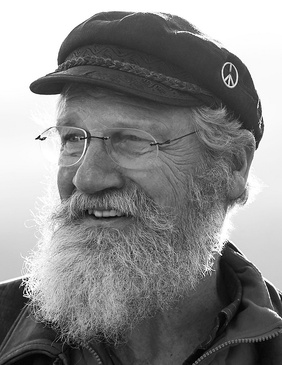






Memoires of a career in the BC Forest Service
In 2023, George Stefanac shared his journal with Maurice Davidson, Chair of the South Okanagan Similkameen Branch, because he wanted to share his story but was unsure how to proceed. Following George’s passing in 2025 at the age of 91, Maurice felt the journal should be preserved as an important piece of BC history. While the journal is too extensive to reproduce in full here, we are pleased to share this brief overview of his remarkable career and experiences.
This memoir-style journal recounts a long and rewarding career in the BC Forest Service beginning in the 1950s. The author reflects on how the Forest Service offered meaningful employment, adventure, and eventual financial security to individuals who had not pursued post-secondary education. Starting at age 21 after seasonal forestry work in fire suppression and road maintenance, the author advanced through numerous postings across BC, eventually retiring as a district ranger in Lillooet.
A major theme throughout the stories is the rugged and often hazardous nature of forestry work in remote regions of BC during a period when transportation and communication infrastructure were limited. Early postings included Alta Lake (before the development of Whistler), Pemberton, Sechelt, Nootka Sound, Harrison Lake, Port Hardy, and Campbell River.
One of the most vivid sections describes travel on railway “speeders,” small motorized rail vehicles used by Forest Service personnel before roads existed in many areas. Sharing tracks with freight trains was dangerous because communication depended on daily train lineups and infrequent trackside telephones. The author recounts several near-fatal encounters with trains, including narrowly escaping collision after misjudging train timing and another dramatic incident where a speeder was removed from the tracks only seconds before impact. These stories highlight both the risks and improvisational nature of forestry work in isolated areas.
Another recurring theme is resourcefulness and camaraderie among workers. Whether coasting silently downhill at night listening for trains, hitching a ride aboard a moving freight train after a truck breakdown, or adapting to remote postings with limited support, the stories emphasize resilience, practical problem-solving, and a sense of adventure.
The journal also captures the isolation and beauty of coastal forestry assignments. While stationed in Nootka Sound aboard a Forest Service vessel, the author experienced both solitude and the challenges of navigating the rough Pacific coast. Encounters with abandoned mining camps, severe ocean storms, and dangerous marine conditions provide insight into the unique realities of west coast forestry operations during that era.
Overall, the stories form a vivid portrait of mid-20th-century forestry life in BC - a world of difficult travel, physical danger, remote wilderness, and strong personal independence. Beneath the humour and adventure is an appreciation for a career that provided purpose, lifelong experiences, and stability.
If you would like to read the full journal, it is available at the BC Forest Historical Society.

The Meaning & Magic of Photography
I was six years old when I first realized that photographs could hold more than memories. My father worked as a RCMP homicide photographer, and although I wasn’t meant to see his work, one day I did.
Those images gave me nightmares, and for a long time I didn’t fully understand what I had seen. But even then, one thought remained clear: those photographs were the last record of those people’s lives. I couldn’t explain at the time, but I believed that the most important photo taken of them was at the moment of their death.
As I grew older, that idea quietly shaped how I saw photography. To me, photography wasn’t only about what we want to remember— but it was also about what must be remembered.
When I began taking photos, I used my father’s hand-me-down cameras. Over time, my interest grew into something more intentional. Today, I focus mainly on landscape photography, often combining it with hiking. We live in such a picturesque province and we seldom stop to take notice of our majestic surroundings.
I inherited my grandfather’s collection of cameras, which sparked an interest in collecting and repairing vintage equipment. I have a photograph of my mother when she was 12 (in 1940). My grandfather captured that photo and now I am taking photos with that same camera. When I press that shutter I think of them and it transcends time to that moment eighty-six years ago. Working with older cameras has taught me patience and a deeper appreciation for the craft. I now shoot using 35mm, medium format, and large format film, each requiring a different level of care and thought before taking a single photo. In retirement I am shooting with the (now vintage) film cameras that I dreamt about owning as a geeky teenager in my junior high school’s photography club.
While my earliest exposure to photography was tied to fear and loss, it has become something
more balanced. Photography, to me, is about presence—about recognizing that every moment whether quiet or significant, will eventually pass.
Today, photography is not just something I do; it is a way of observing, reflecting, and understanding the world around me.
My photos are on Instagram - look for roncrazynurse1 and on Ron Bartholomew on Google Maps.
If you have any questions, comments or you would like to simply chat with a fellow shutterbug, please feel free to email me at chair.branch2400@bcgrea.ca.
© Ron Morley

“Just for Fun” Days
July 7: World Chocolate Day https://web-holidays.com/blog/world-chocolate-day
July 10: National Pina Colada Day https://web-holidays.com/blog/pina-colada-day
July 13: National French Fries Day https://web-holidays.com/blog/2023/03/22/july-13-national-french-fries-day
July 17: World Emoji Day https://web-holidays.com/blog/2020/06/13/july-17-world-emoji-day
July 24: National Pie and Beer Day https://web-holidays.com/blog/pie-and-beer-day
July 27: National Bagpipe Appreciation Day https://web-holidays.com/blog/bagpipe-appreciation-day
July 30: National Cheesecake Day https://web-holidays.com/blog/2020/06/23/july-30-national-cheesecake-day
Aug 1: International Mahjong Day https://web-holidays.com/blog/2020/06/25/august-1-international-mahjong-day
Aug 6: National Root Beer Float Day https://web-holidays.com/blog/2013/06/08/june-10-national-black-cow-day
Aug 6: National Wiggle Your Toes Day https://web-holidays.com/blog/2020/06/27/august-06-wiggle-your-toes-day
Aug 9: National Book Lovers Day https://web-holidays.com/blog/book-lovers-day
Aug 13: International Left-handers Day https://web-holidays.com/blog/2020/06/30/august-13-international-left-handers-day
Aug 19: World Photography Day https://web-holidays.com/blog/2020/07/18/august-19-world-photography-day
Aug 30: National Beach Day https://web-holidays.com/blog/national-beach-day

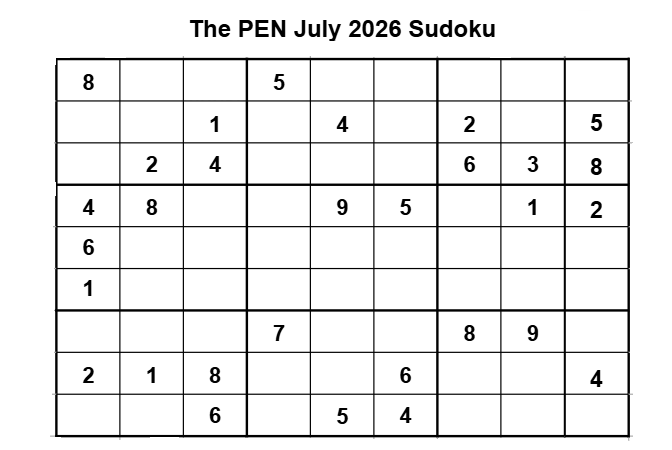
Crossword and Sudoku
The Cell Phone Debate: Conclusion by Brian Green
(Updated May 2026)
Comparing Entry-Level, Mid-Level, and High-End Phones
This section addresses phones that are available with the Android operating system, which, like Windows, offers multiple vendors at various price points. Apple has a closed system and while highly rated, its options are considerably more expensive than the Android alternative. For those who have other Apple products, it may make sense to stick with compatible Apple phones.
Note: In 2026, a global shortage of semiconductor chips has pushed consumer electronics prices up by approximately 20%. Entry-level phones are often the most affected, as memory components now make up a larger share of their total cost.
Senior-Focused Budgeting Matrix (2026 Estimates)
| Feature | Entry-Level Phones | Mid-Level Phones | High-Level Phones |
|---|---|---|---|
| Price Range | $150-$350 | $400-$750 | $850+ |
| Camera Quality | 8-12MP, Basic autofocus | 12-50MP, decent low-light | 50MP+, AI enhancements, pro modes |
| Battery Life | 3000-4000mAh short lifespan | 4000-5000mAh | 5000mAh+, optimized power |
| Ease of Use | Large buttons, simple UI | Simplified Navigation | Advanced UI, customization |
Several of these models offer fingerprint sensors, which are an important feature to consider as they are easier than passwords, allow for faster unlocking, and provide increased security.
Phone Recommendations in British Columbia
Available online or through carriers such as Rogers, Bell, Freedom and Telus.
Entry-Level Phones: Nokia 2780 Flip: Compact flip phone with large physical buttons, loud speaker, and basic features. TCL Flip 4: featuring 4G LTE, a tactile keypad, and hearing aid compatibility.
Mid-Level Phones: Motorola Moto G (2026): The latest in the series, featuring a bright 120Hz display, 5G connectivity, and a large battery. Google Pixel 9a: Features AI-assisted photography, a simplified interface, and excellent voice control options. Samsung Galaxy A series: Known for an intuitive UI, accessibility features, and long battery life.
High-End Phones
Samsung Galaxy S25: The current flagship offering a high-quality camera, vibrant display, and advanced voice command capabilities.
Google Pixel 9: Top-tier camera quality, AI-powered tools, and voice navigation features.
Specialized Cognitive Support
RAZ Memory Cell Phone: A highly simplified device for those with memory loss. It is fully supported in British Columbia on major networks like Telus, Rogers, and Bell. It features a "Picture Dialer" and an "Always-On" screen.
RAZ Emergency Service: This subscription is available in Canada for approximately $13 USD/month, routing calls to a private dispatcher who can notify family members.
Buying a Phone: Carrier Plans vs. Buying Outright
When purchasing a phone, you can either buy outright or choose a carrier plan with a financed phone.
| Option | Pros | Cons |
|---|---|---|
| Buying Outright | No contract, freedom to switch providers, lower monthly bills | High upfront cost |
| Getting a Plan | Lower upfront cost, access to premium phones | Locked into a contract, may pay more over time |
Cost-Effectiveness: Buying outright is cheaper in the long run. Many carriers now use a “leasing” model for higher-end phones where you return the phone after two years. If the phone is damaged, you are responsible for the full cost.
Seniors' Discounts: In BC, check for "55+" or accessibility plans from major carriers, which can significantly reduce monthly costs.
Traveling with your Phone: eSIM Technology
For seniors traveling outside of Canada, most modern phones (iPhone 11+, Pixel 4+, Galaxy S20+) are now eSIM compatible.
No Tiny Cards: You do not need to swap physical SIM cards; the plan is downloaded digitally.
Cost Savings: Allows you to use local data plans in foreign countries to avoid expensive Canadian roaming charges.
How to use: Purchase a plan from a provider like Airalo or Saily before you leave, scan the QR code, and you will have data as soon as you land.
Safety and Security
Buying Privately: If buying from Amazon, stick to "Amazon Renewed" for certified refurbished phones with warranties. If using Marketplace, meet in a public "safe exchange zone" and check the IMEI number at DeviceCheck.ca to ensure the phone isn't stolen.
Scam Prevention: Be vigilant against "Grandparent Scams" and "Smishing" (text scams). Never click links in unsolicited texts from the CRA or banks. If a family member calls with an urgent money request, hang up and call them back on their known number to verify.
Buying Older Models: The Importance of Software Support
If you are considering an older smartphone, such as a model from 2-3 years ago, the most critical factor is the remaining software support lifecycle. While a used "flagship" phone might have a better camera or screen than a new budget phone, it may be closer to its "expiration date" regarding security.
Why Software Updates Matter
Security Protection: Security patches fix vulnerabilities that hackers use to steal personal data or passwords; once updates stop, the phone becomes a higher risk for banking and sensitive tasks.
App Compatibility: Over time, apps like banking tools, CRA MyAccount, or even WhatsApp will stop working on older versions of Android for security reasons.
Performance Optimization: Updates often include "under-the-hood" improvements that keep the phone running smoothly as it ages.
Long-Term Support: Samsung and Google vs. Others
When buying used in Canada, not all brands are equal in terms of longevity:
Google Pixel: Starting with the Pixel 8 series (released late 2023), Google committed to 7 years of security and OS updates. Older models like the Pixel 6 or 7 generally receive 5 years of security patches from their original release date.
Samsung Galaxy: Most recent Samsung "S" and "A" series phones (from roughly 2022 onwards) offer 4 years of Android upgrades and 5 years of security patches. This makes a 3-year-old Samsung S22 or S23 a viable choice for a few more years of safe use.
Motorola and Others: Many Motorola models, particularly the budget "G" series, typically only offer 1 to 2 years of updates. Buying a 2-year-old Motorola often means the phone is already at or near its end-of-life for security.
Factors to Consider for Older Models
Battery Health: Lithium-ion batteries degrade over time; a 3-year-old phone will likely have significantly less "stamina" than it did when new.
5G Compatibility: Ensure the older model supports 5G to take full advantage of modern Canadian network speeds.
Update "End Date": Before buying, search for the model name + "end of life" to see exactly when the manufacturer will stop protecting the device.
Passwords and Two-Factor Authentication and Why These are Important.
Last year (2025) was Canada’s worst fraud year on record, with $704M reported stolen. What’s even scarier is that only 5% - 10% of fraud cases are ever reported, as victims experiencing embarrassment, or feeling that our judicial system will not do anything, often do not report. Unfortunately, the fraud clearance rate, (the proportion of cases solved by law enforcement) has fallen from nearly two-thirds to just 12 per cent from 2012 to 2022.
A month ago, one of our branch executives fell victim to an online scam. A normal looking email from a well-known company prompted, “we’re updating our account, please log in right away to be transferred to the new system.” The logos looked correct; nothing seemed askew at first. The member entered their username and password, then nothing appeared to happen. A bit unsettled, they reached out to Central Support, who confirmed that this was unusual for the company and was likely a scam.
Fortunately, the branch executive had wisely chosen a password specific to this account, so the fall out was very limited.
But how many of us are this wise? Time and time again, we hear the warning to select unique passwords for every account. However, humans are creatures of habit; many of us, including myself, use the same password for many apps and services.
Imagine our member had not have been so wise with their passwords. After entering their username (which is often an email) and password onto the fake site, the fraudster now captured this information. Canada has 5 big banks – not a difficult feat for a fraudster to try this email and password combination to various login pages. Then there are the Amazon, social media and travel accounts to potentially hack, the list goes on.
If a fraudster sends out 100k phishing emails, let’s say only 1% (a very conservative figure) happen to enter their password for capture – that’s 1000 people. Of those, let’s say 1% have passwords that are shared with other sites, including their banking/investment accounts. The fraudster can then try various accounts until they find a match: these 10 people are ripe to be defrauded. The median loss for a phishing/social engineering scam is $1600 1. That fraudster could potentially make $16,000. Not bad for a day or two of work, and certainly much less risky than mugging or breaking and entering.
Just as we lock our doors and watch where we walk at night, we must now also guard our digital life. Please – resist the urge for easy: change up your passwords. The username and password you for Facebook should not be the same as your banking. In fact, your banking and investment usernames and passwords should be completely unique.
And that two-factor authentication that we all find so irritating (it can’t be just me)? It’s there to protect you. If a fraudster does manage to access your username and password, two-factor authentication is used to send you a text or email and request direct verification from you. You’ll get a request from your bank asking if the sign on was done by you. If it wasn’t, you can say no and the fraudster will be denied access, even if they have your password.
Always accept the opportunity for two-factor authentication – and when those annoying texts come in asking if it was really you, smile knowing that you are helping to keep your online life safe.
Buckley, Charlie. “Fraudsters are getting better at what they do, and it’s costing Canadians billion” CTV News, November 24, 2024. https://www.ctvnews.ca/canada/article/fraudsters-are-getting-better-at-what-they-do-and-its-costing-canadians-billions/
The Cocktail Cruise by Kathy Northrup
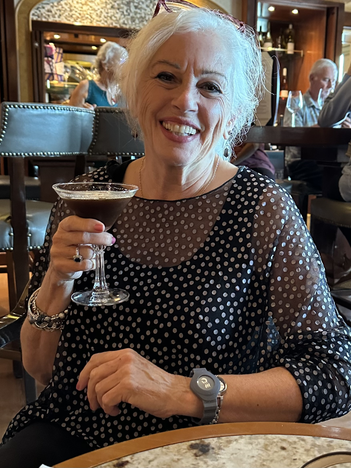
I had two strategies for making the most of a 32-day South Pacific cruise with five family members. Goal one was to relax by the pool reading on the sea days. My second was to try a different pre-dinner cocktail every day.
Relaxing during the day was easy - coffee, breakfast, pool, walk, lunch on deck, wander the ship, and check the afternoon entertainment, happy hour drinks, dinner, a show, and bed.
The cocktail strategy was harder. I promised to send photos home to my family, so I needed evidence. I hadn’t realized that I don’t really like cocktails, but I persevered, and the daily cocktail became one of my trip’s best memories.
Our party included my brother and sister-in-law, my sister and her brother-in-law and sister-in-law. Thirty-two days is a long time to spend together, and we did have a few differences, just as we would at home. It helped that there was enough size and space to take a break from each other.
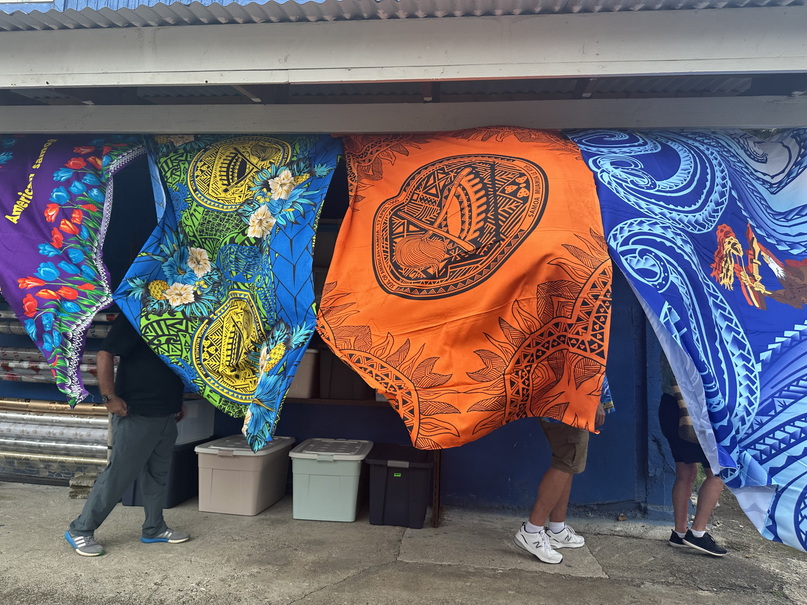
The tropical destinations didn’t disappoint. We toured Kauai and Oahu in Hawaii, visited museums, markets and beaches in the Western Samoa, American Samoa, Suva and Savusavu in Fiji, shopped for pearls in Tahiti, and swam with sharks and stingrays in Moorea.
High points on board included Crossing the Equator, where we had a chance to kiss a fish (we declined), the International Date Line party, where staff painted blue lines on our foreheads, a Halloween party, and a Remembrance Day ceremony.
The ship’s music was by far the best. The biggest disappointment was the food.
Best takeaways? Pack tops and bottoms for dinner rather than dresses so you can mix and match. Other wins were my travel binoculars, waterproof, washable runners (that I wore every day) a mini bottle of dishwashing liquid for removing stains from clothes, and earbuds so my daily Spanish lesson in the cabin didn’t interrupt my sister.
Misses? A few more casual outfits for daytime, and cold medication. The ship didn’t carry any.
Five months after our cruise one of our family members died. This loss has changed our day-to-day lives and our future travel plans. It’s a reminder that we all need to make good memories while we can.


International Flying by Kathy Northrup
Flying internationally is a little more complicated for seniors with health concerns. Here are a few suggestions from frequent flyers.
Before You Leave
Download the airline app on your phone to check in ahead of time and to watch for flight delays, cancellations, or gate changes
Print copies of your flight and accommodation details and put them in your personal item bag
Ask your pharmacist to blister pack medications
Contact the airline to request assistance, if you need it, 48 hours before your flight
Check your destination country’s entry requirements. Many countries have introduced new requirements and paperwork must be completed before you travel
Departure Day
Arrive at the airport early
Check connecting flight details so you have sufficient time between your connecting flights
Ask check-in staff for advice and/or assistance if you haven’t done so in advance
Take advantage of early boarding
Be prepared for delays by keeping medications and snacks with you rather than in your checked luggage
Solo flyers are advised to take their personal information (passport, other ID, credit cards, and cash) when they leave their airplane seats
Be Prepared
Ensure your passport is valid for six months after your travel
Arrange mobile coverage for your arrival (sim card, e-sim, data roaming plan)
Order foreign currency so you have cash for your immediate needs
Purchase power adaptors for foreign countries
Try to learn a few words of the language of your destination countries
Check airline rules for carry-on requirements
Pack light - you can layer clothing to accommodate weather changes
Ensure your power bank is in your carry-on luggage
Cruising with a Disability by Kathy Northrup
Cruising is an increasingly popular form of travel for those with mobility issues, according to Parksville travel agent Angela Giannotti. The average age of her cruise ship clientele is 55 plus, and about six percent of them have mobility concerns.
Giannotti says cruising appeals to people with disabilities for several reasons. “A cruise ship is a floating resort at sea. Meals and entertainment are readily available, and you don’t have to get off the ship in port.”
Accessible staterooms are designed to accommodate wheelchair or scooter users and have accessible showers and sinks, lower closet bars and wider doorways. Ambulatory staterooms are intended for passengers who use a cane or a walker and appreciate extra stateroom space.
Cruise ships have wide hallways, level floors, multiple elevators, accessible washrooms, food available throughout the day or night, and no shortage of entertainment.
Gianotti advises clients who use mobility aids to book their cruise ship cabins early. “Lines that cater to older travellers often have 20 to 30 rooms that are considered accessible and/or ambulatory”.
You can request assistance boarding and disembarking so not to wait in line with other travellers or use staircases. These services and features make cruising an appealing alternative to land vacations, particularly in countries where accessibility regulations are not developed to the level of home.
Cruise Ship Classes – Things to think About by Kathy Northrup
Experienced cruises generally know their favourite cruise lines based on ship size, destinations and access (docking or tender), entertainment, food, drinks, level of formality, and loyalty. Brand loyalty, however, doesn’t carry the benefits it once did because cruise packages now include tips and drinks.
If you are a new cruiser, it’s important to consider your travel style. Are you travelling with children and grandchildren or celebrating a romantic milestone with your partner? Do you want an Alaskan cruise with spectacular scenery, a European vacation with excursions to historical sites, or a Caribbean cruise with island hopping and sandy beaches? How long do you want to spend on a ship? Do you want more sea days or port days?
Mainstream cruise lines that cater to older passengers include Celebrity, Holland America, Norwegian, and Princess.
You will find similar offerings on most of these - pools, food courts, specialty restaurants, spa packages, and programming geared toward older passengers. The opportunities are endless - ukulele or quilting lessons, trivia games, crafts or choir practice. There’s also lectures, movies, music, dance lessons, art auctions, mini golf, table tennis, walking tracks, gym and fitness classes, and a casino.
Certain lines offer longer cruises more geared to retirees ensuring a quieter holiday and less crowded pools. Holland America is known for offering accessible state rooms. Norwegian appeals to cruisers who prefer a casual dining experience.
It’s helpful to find a travel agent who specializes in cruises.
The Faces behind the Pages
Ever wonder who puts The PEN together. Behind every issue is a team of dedicated volunteers who generously share their time, talents, and enthusiasm to make it happen.
From chasing down stories and conducting interviews to editing, researching, photographing, proofreading, and everything in between, these volunteers spend many hours creating the newsletter you enjoy reading. They do it because they care about our community and believe that good information, good stories, and good laughs are worth sharing.
And don't forget—this is your newsletter too! We love receiving your photos, articles, memories, recipes, ideas, and suggestions. Have a favourite family recipe, a delicious new dish, or a treasured treat you'd like to share? Send it along! Every contribution helps keep The PEN fresh, interesting, and full of the things that matter most to our members.
So grab a bevy of your choice, settle into your favourite chair, and enjoy this issue. We hope you learn something new, discover something interesting and find plenty of reasons to smile along the way.





MEMBER SERVICES
ACCENT INNS Discount Code: BCGREA Reservations: 1-800-663-0298 Website: www.accentinns.com Includes: Hotel Zed, ROAR
ENDLESS SAVINGS (ES) Contact: 1-877-514-2723 Email: austin@endlesssavings.com Website: endlesssavings.com Exclusive savings on Telus and Bell plans, and many other stores such as Mark's, The Brick, Staples and more! Download the app today!
BEL AIR DIRECT INSURANCE Contact: 1-833-887-4626 Website: belairdirect.com/bcgrea Insurances: Home, Travel, Trip Cancellation, Guaranteed Life, Term Life, Health, Dental
MANULIFE – MARTELL INSURANCE Contact: 1-877-514-2723 Website: www.martellinsurance.com/bcgrea Insurances: Life & Disability, Guaranteed Life, Travel, Health & Dental Plans
HEARINGLIFE CANADA INC. Organization code is: bcgrea Contact: 1-888-289-4391 Website: https://hearinglifeadvantage.ca/bcgrea/
SPECSAVERS Promo Code: 202401 Contact: 1-800-481-9739 Website: www.specsavers.ca 60% Off Lens Upgrades for members
TRIP MERCHANT Website: tripmerchant.com/register Password: 4edb
PARK ‘N FLY – Airport Parking Contact Central info@bcgrea.ca for Discount Code or visit the Dedicated Web
RETURN UNDELIVERABLE ITEMS TO: B.C. Government Retired Employees Association PO Box 26067, West Kelowna RPO West Kelowna, BC V4T 2G3